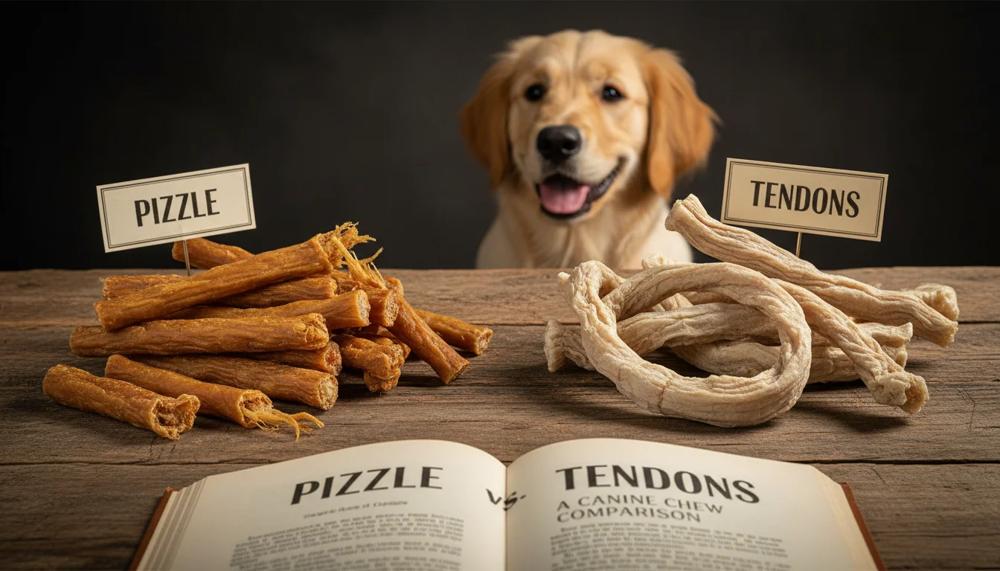
Pizzle vs. Tendons: A Comprehensive Guide to Choosing the Best Natural Chew for Your Dog
As a canine nutrition expert, I frequently consult with pet owners who are moving away from processed, synthetic treats and toward Single-Ingredient Dog Chews Explained. In the world of natural chews, two options consistently stand out for their health benefits and high palatability: pizzle (bully sticks) and beef tendons.
While both are derived from bovine sources and offer a safer alternative to synthetic options, they serve different purposes in a dog’s diet and enrichment routine. This article provides a deep dive into the "why" and "how" of Pizzle vs Tendons to help you make an informed, safety-conscious decision for your companion.
Understanding the Basics: What Are They?
Before comparing their benefits, we must define exactly what these parts are.
What is Pizzle?
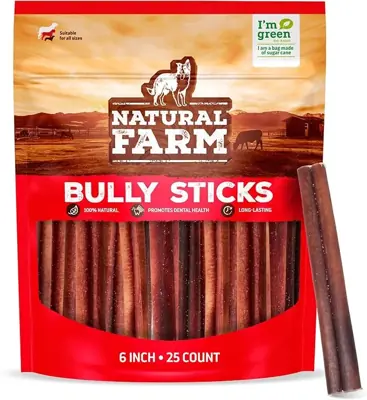
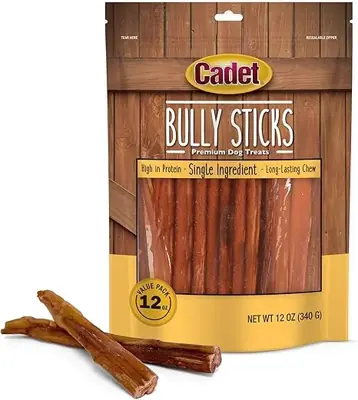
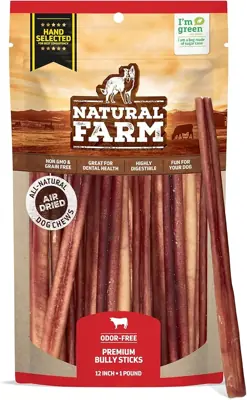
Pizzle, more commonly known in the pet industry as a "bully stick," is the dried penis of a bull. To understand the anatomy and nomenclature better, you can read What Is Pizzle? (Bull Penis Explained for Dog Owners). These chews are typically cleaned, stretched, and dried (either sun-dried or oven-baked). Many owners ask, Are Bully Sticks the Same as Pizzle? The answer is yes; "pizzle" is simply the technical term for the organ.
What are Tendons?
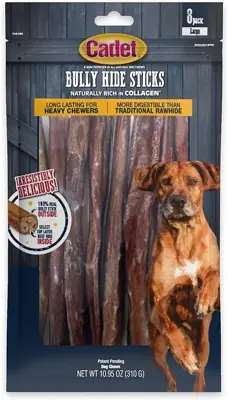
Tendons are the fibrous connective tissues that attach muscle to bone. In the pet food industry, these are usually sourced from the Achilles tendon of cattle. They are composed almost entirely of collagen fibers, which gives them a unique, stringy texture that differs significantly from the dense, muscular structure of pizzle.
Nutritional Breakdown and Digestibility
From a nutritional standpoint, both chews are superior to traditional rawhide. When looking at Pizzle vs Rawhide: Which Is Safer?, both pizzle and tendons win because they are fully digestible.
Protein and Calories
Pizzle is an incredibly dense source of protein. Because it is essentially pure muscle, it contains high levels of amino acids. For a detailed look at the protein content, see Are Bully Sticks High in Protein?. However, this density comes with a caloric cost. Owners of overweight dogs should be mindful of the Calories in Pizzle Chews (By Size).
Tendons are also high in protein but are specifically rich in collagen. While collagen is a protein, its primary benefit is supporting joint health, skin elasticity, and coat shine rather than just providing raw caloric energy. Tendons are often slightly lower in fat than standard pizzle, making them a good alternative for dogs on a weight-management plan.
Digestibility
The most critical question for any owner is: Is Pizzle Digestible? Yes, it is. Both pizzle and tendons break down completely in the stomach acid of a dog. Unlike rawhide, which can sit in the gut and cause blockages, these natural tissues are softened by saliva and dissolved by gastric juices.
Durability and Chew Strength
The primary difference between these two chews lies in how long they last and the "chew style" they require.
- Pizzle (The Marathon Chew): Pizzle is much denser. It requires a dog to gnaw patiently, slowly softening the end of the stick. If you are wondering How Long Does a Bully Stick Last?, it typically provides 20 to 60 minutes of chewing for most dogs. For power chewers, you may need to look into Thick vs Thin Bully Sticks or even Braided Bully Sticks: Are They Worth It? for added longevity.
- Tendons (The "Flossing" Chew): Tendons have a different structural integrity. As a dog chews a tendon, the heat and moisture of the saliva cause the fibers to fan out. This creates a "flossing" effect against the teeth. While they are tough, they generally do not last as long as a thick pizzle. A tendon might last 10 to 20 minutes, depending on the dog's size and jaw strength.
Safety Considerations
As a veterinary consultant, safety is my priority. No chew is 100% risk-free, and Can Pizzle Cause Choking? is a valid concern for any natural product.
Choking and Blockages
The biggest risk with both pizzle and tendons occurs when the chew is worn down to a small "nub." Dogs may attempt to swallow this remaining piece whole. To mitigate this, I highly recommend using Best Holders to Prevent Swallowing. These devices grip the end of the chew so the dog cannot gulp the final inch.
If your dog is a "gulper," you must know What to Do If Your Dog Swallows a Large Piece. While these items are digestible, a large piece can still cause a temporary esophageal obstruction or a localized upset.
Splintering
A common question from owners is, Does Pizzle Splinter? Because pizzle and tendons are not bone, they do not splinter. They soften and shred. This makes them significantly safer for the gastrointestinal tract than cooked bones or low-quality wood chews.
Quality Sourcing
Always check the source of your chews. I recommend Grass-Fed vs Grain-Fed Pizzle and products that are USA-Sourced Bully Sticks to ensure they aren't treated with harsh chemicals. For more information on processing, see Does Pizzle Contain Hormones or Chemicals?.
Veterinary Consensus
The general Vet Opinions on Bully Sticks and natural tendons are overwhelmingly positive, provided they are used in moderation. Vets appreciate these chews for two main reasons:
- Dental Health: The mechanical action of chewing helps scrape away plaque.
- Mental Enrichment: Chewing releases endorphins in dogs, which helps reduce anxiety and boredom.
However, veterinarians often warn about the "too much of a good thing" rule. I advise clients to check How Many Bully Sticks Can a Dog Have Per Week? to avoid digestive upset or caloric imbalance. Additionally, if you have a young dog, ensure you read Are Pizzle Chews Safe for Puppies?, as their developing teeth and sensitive stomachs require specific sizes.
Summary: Which One Should You Choose?
When comparing Pizzle vs Tendons, the "best" choice depends on your dog's specific needs.
Choose Pizzle (Bully Sticks) if:
- You have a high-energy or aggressive chewer who needs a long-lasting distraction.
- You want a high-protein snack to supplement an active lifestyle.
- You are looking for variety in shape, such as Straight vs Curly Pizzle.
Choose Beef Tendons if:
- You are primarily focused on dental hygiene and want that "flossing" action.
- Your dog has a sensitive stomach or needs a slightly lower-fat option.
- You want to provide a collagen boost for joint and skin health.
Key Takeaways for Safe Chewing:
- Always Supervise: Never leave a dog alone with a chew.
- Fresh Water: Chewing is thirsty work; ensure a full bowl is available.
- Know the Signs: Watch for Signs Your Dog Is Chewing Too Much Pizzle, such as loose stools.
- Proper Storage: To keep treats fresh, learn How to Store Bully Sticks Properly.
In the debate of Natural Dog Chews Compared, both pizzle and tendons are gold-standard options. By understanding their differences, you can rotate these treats to provide your dog with both the durability of pizzle and the dental benefits of tendons.