Can Pizzle Cause Choking? A Comprehensive Safety Guide for Dog Owners
As a canine nutrition expert, I am frequently asked about the safety of natural chews. Among the most popular options on the market today is pizzle—often referred to by its more common name, the bully stick. While these treats offer numerous benefits, including dental health and high protein content, the question of safety is paramount.
The short answer is: Yes, pizzle can cause choking. However, understanding the why and how behind this risk is essential for any responsible dog owner. By identifying the specific hazards and implementing safety protocols, you can significantly reduce the risk and allow your dog to enjoy these treats safely.
Understanding the Hazard: Why Pizzle Can Be a Choking Risk
To understand the choking risk, we must first look at what the treat is. If you are unfamiliar with the anatomy, [What Is Pizzle? (Bull Penis Explained for Dog Owners)](what-is-pizzle-(bull-penis-explained-for-dog-owner.html) provides a deep dive into its origin. Essentially, it is a single-ingredient, high-protein muscle.
Because Are Bully Sticks the Same as Pizzle? (yes, they are), they share the same physical characteristics. Unlike biscuits or kibble, which crumble upon impact, pizzle is highly durable. As a dog chews, their saliva interacts with the dried tissue, causing it to soften and become "rubbery" or "moist."
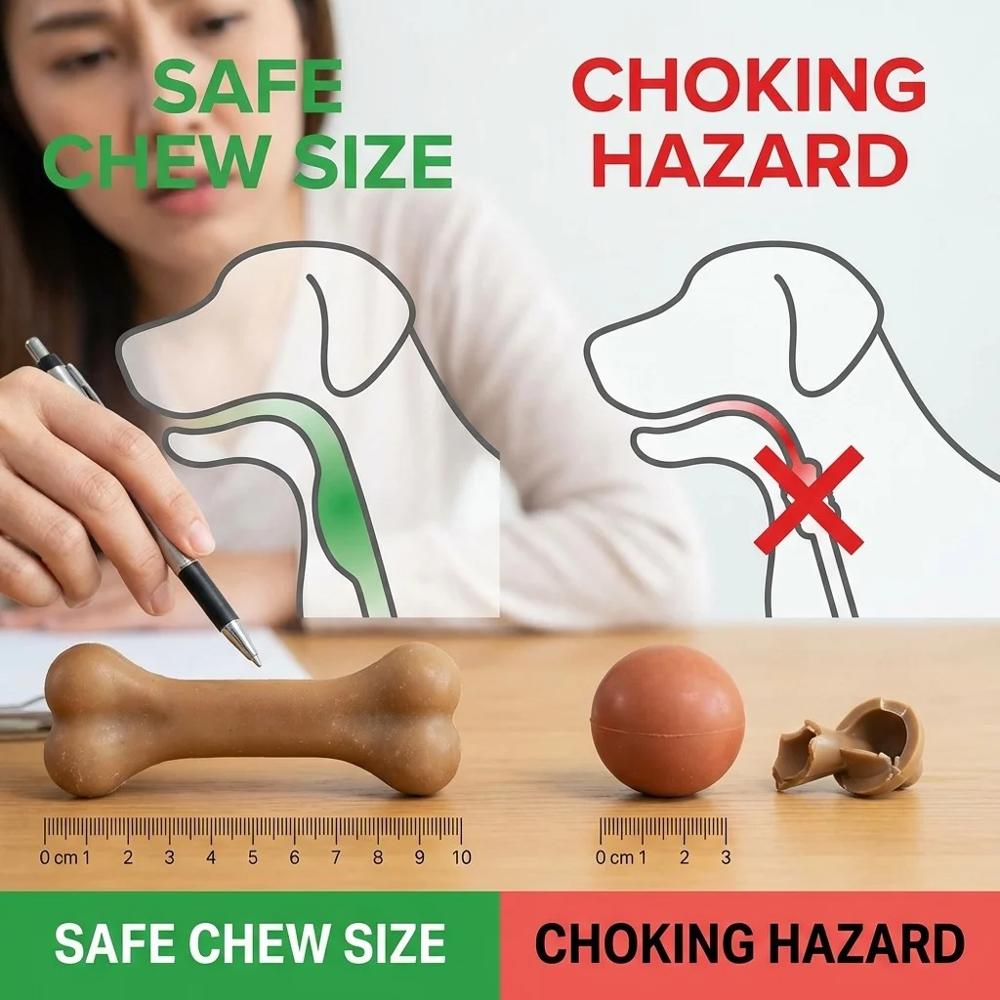
The primary choking hazard occurs during the final stages of the chewing process. When the stick is chewed down to a small, softened "nub" (usually the last 1–2 inches), many dogs—driven by instinct or excitement—will attempt to swallow the remaining piece whole.
Choking vs. Obstruction: Know the Difference
It is important to distinguish between two different medical emergencies: 1. Choking: This occurs when a piece of pizzle becomes lodged in the back of the throat or the trachea (windpipe), blocking the dog’s ability to breathe. This is an immediate, life-threatening emergency. 2. Esophageal Obstruction: This happens when the dog successfully swallows the piece, but it becomes stuck in the esophagus before reaching the stomach. 3. Intestinal Blockage: If the piece reaches the stomach but cannot pass through the intestines. Fortunately, because Is Pizzle Digestible?, the risk of a long-term GI blockage is lower than with materials like rawhide, but a large swallowed piece can still cause significant distress.
Factors That Increase the Risk of Choking
Not every dog faces the same level of risk. Several factors influence how likely a dog is to experience a choking incident with a pizzle chew.
1. The "Gulper" Personality
Veterinarians often categorize dogs into "chewers" and "gulpers." Chewers take their time, methodically breaking down the treat. Gulpers, however, view treats as a race. Breeds like Labradors, Golden Retrievers, and Beagles are notorious for trying to swallow items whole. If you have a gulper, the risk of choking is substantially higher.
2. Incorrect Sizing
One of the most common mistakes owners make is buying a treat that is too small for their dog’s jaw strength. A large dog can easily snap a thin stick into dangerous segments. To mitigate this, you must learn How to Choose the Right Size Pizzle for Your Dog to ensure the chew is appropriate for their size and bite force.
3. The Texture of the Chew
While Does Pizzle Splinter? (rarely, as it is muscle tissue, not bone), the way it softens can be a double-edged sword. The softened, slippery texture of the end piece makes it very easy for the treat to slide down the throat prematurely before the dog has properly masticated it.
Veterinary Consensus on Pizzle Safety
In the veterinary community, Vet Opinions on Bully Sticks are generally positive, especially when compared to alternatives. When looking at Pizzle vs Rawhide: Which Is Safer?, most vets prefer pizzle because it is a natural, fully digestible animal byproduct that does not contain the chemicals or indigestible fibers found in rawhide.
However, the consensus remains: No chew is 100% safe without supervision. Veterinarians emphasize that the benefits of dental stimulation and mental enrichment only outweigh the risks if the owner remains vigilant.
Critical Safety Tips for Feeding Pizzle
To ensure your dog stays safe while enjoying their treat, follow these expert-recommended safety guidelines:
Use a Safety Device
The most effective way to prevent choking is to use a specialized holder. These devices grip the end of the stick, making it physically impossible for the dog to swallow the final nub. You can explore the Best Holders to Prevent Swallowing to find one that fits your preferred brand of chew.
Supervise Every Session
Never give your dog a pizzle chew and then leave the house or go into another room to nap. You need to be present to hear the sounds of chewing and to intervene if the dog begins to gag or tries to swallow a large piece.
Know When to Take It Away
Once the pizzle has been chewed down to a size that could fit entirely inside your dog’s mouth, it is time to take it away. Do not wait for them to "finish" it. Dispose of the small end piece immediately.
Consider Age and Health
Are Pizzle Chews Safe for Puppies? Generally, yes, but puppies have deciduous (baby) teeth and lack the jaw control of adult dogs. They require even closer monitoring to ensure they don't break off large chunks.
Monitor Hydration
Chewing on dried proteins can make a dog thirsty. Always ensure a fresh bowl of water is available. Saliva is necessary to soften the chew; if a dog is dehydrated, the chew remains harder and more difficult to swallow.
What to Do in an Emergency
Even with the best precautions, accidents can happen. If your dog appears to be choking—signs include frantic pawing at the mouth, blue-tinged gums, or an inability to clear the throat—you must act quickly.
Knowing What to Do If Your Dog Swallows a Large Piece is vital. Familiarize yourself with the canine Heimlich maneuver and keep your emergency vet’s phone number programmed into your phone. If the dog has swallowed the piece and is not choking but seems uncomfortable, contact a professional immediately to check for an esophageal obstruction.
Summary: Key Takeaways for Owners
To summarize the safety profile of pizzle chews:
- Choking is a real risk, primarily caused by dogs attempting to swallow the small, softened "nub" at the end of the chew.
- Digestibility is high, which makes pizzle safer than rawhide, but it does not eliminate the immediate danger of choking.
- Supervision is non-negotiable. Always watch your dog while they are engaged with a chew.
- Proper sizing matters. Always buy a stick that is larger than what you think your dog needs.
- Use a holder. A safety device is the single best investment for preventing accidental swallowing.
- Know your dog. If your dog is a "gulper," consider extra-thick or braided varieties to slow them down.
By following these guidelines, you can provide your dog with a high-quality, nutritious treat that supports their dental health while keeping the risk of choking to an absolute minimum. Safety and enjoyment go hand-in-hand when it comes to natural canine nutrition.