Grass-Fed vs. Grain-Fed Pizzle: A Nutritional and Safety Guide for Dog Owners
As a canine nutrition expert, I frequently encounter owners who are overwhelmed by the sheer variety of natural chews available today. Among the most popular are bull pizzles, commonly known as bully sticks. While many owners understand What Is Pizzle? (Bull Penis Explained for Dog Owners), a new point of confusion has emerged: the distinction between grass-fed and grain-fed sourcing.
Choosing the right treat isn't just about keeping your dog occupied; it’s about understanding the biological impact of what they ingest. In this guide, we will analyze the nutritional differences, safety considerations, and veterinary perspectives on grass-fed versus grain-fed pizzle to help you make an informed decision for your companion.
The Core Difference: Sourcing and Diet
To understand the difference in the final product, we must first look at How Pizzle Is Made: From Farm to Dog Chew. The quality of the treat begins with the life of the bull.
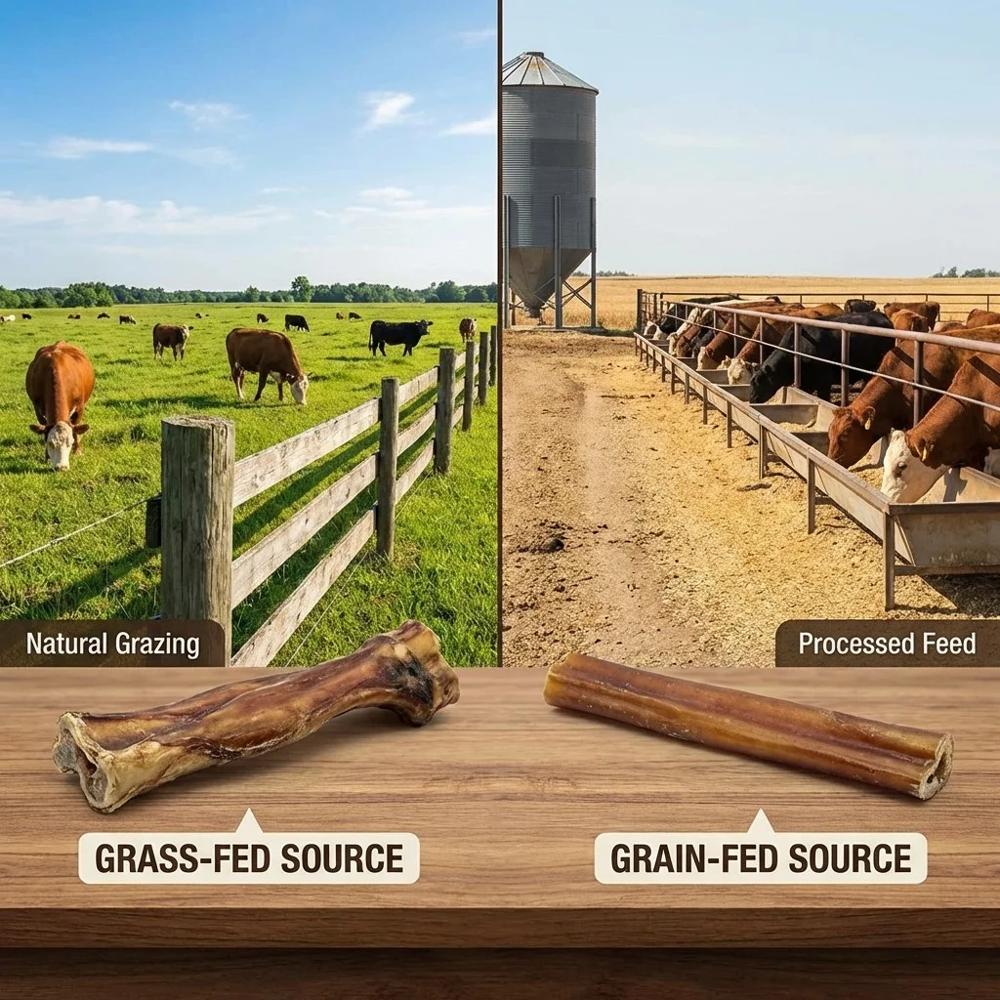
Grain-Fed Cattle
Grain-fed cattle typically spend the latter portion of their lives in feedlots, where they are fed a diet primarily consisting of corn and soy. This diet is designed to help the animal gain weight quickly. While this is standard in the commercial meat industry, it can alter the fatty acid profile of the animal's tissues, including the pizzle.
Grass-Fed and Free-Range Cattle
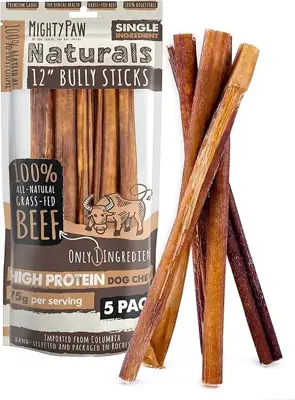
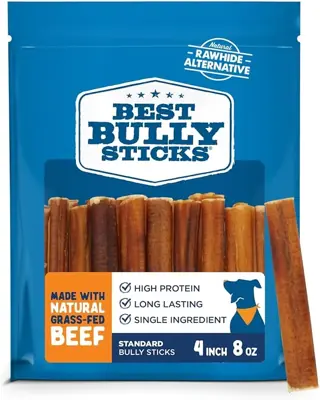
Grass-fed cattle spend their lives grazing on open pastures. These animals are often labeled as "free-range," meaning they have had ample space to move and forage naturally. Because their diet consists of grass and forage, their muscle and connective tissues develop differently than their grain-fed counterparts.
Nutritional Analysis: Why Grass-Fed Often Wins
When we look at Single-Ingredient Dog Chews Explained, the purity of the source is paramount. From a nutritional standpoint, grass-fed pizzle offers several distinct advantages:
1. Superior Fatty Acid Profile
One of the most significant differences lies in the ratio of Omega-3 to Omega-6 fatty acids. Grass-fed beef is naturally higher in Omega-3 fatty acids, which are known for their anti-inflammatory properties and support for skin and coat health. Grain-fed beef tends to be higher in Omega-6s, which, while necessary, can be pro-inflammatory if not balanced correctly.
2. Absence of Hormones and Antibiotics
A common concern for pet parents is: Does Pizzle Contain Hormones or Chemicals?. Cattle raised in feedlots (grain-fed) are more likely to be treated with growth hormones to accelerate weight gain and preventative antibiotics due to the crowded nature of feedlot environments. Grass-fed, pasture-raised cattle are far less likely to be exposed to these substances, leading to a "cleaner" treat.
3. Leaner Protein Source
While all Are Bully Sticks High in Protein?, grass-fed pizzle is typically leaner. For dogs on a strict weight management plan, every calorie counts. You can review the Calories in Pizzle Chews (By Size) to see how these treats fit into your dog's daily intake, but choosing grass-fed is a step toward a lower-fat option.
Texture, Palatability, and Durability
Owners often ask if there is a functional difference in how the dog interacts with the treat. Why Dogs Love Pizzle So Much is largely due to the natural scent and the chewy, fibrous texture.
- Density: Grass-fed pizzle is often noted by experts to be slightly denser. This is because the animals are more active and mature at a slower, more natural rate.
- Longevity: Because of this density, some owners find that How Long Does a Bully Stick Last? can vary slightly, with grass-fed options sometimes offering a bit more resistance for aggressive chewers.
- Odor: Sourcing can also affect the smell. While Odor-Free Bully Sticks: Are They Healthier? usually depends on the drying process rather than the diet, grass-fed products are often processed in smaller batches with higher quality control, which can result in a more pleasant (or at least less pungent) experience.
Veterinary Consensus
Most veterinarians agree that pizzle is a superior alternative to many synthetic treats. When comparing Pizzle vs Rawhide: Which Is Safer?, vets almost universally recommend pizzle because Is Pizzle Digestible?, whereas rawhide can cause dangerous intestinal blockages.
Regarding the grass-fed debate, Vet Opinions on Bully Sticks generally lean toward grass-fed/organic options for dogs with sensitive stomachs or food allergies. The lack of chemical residues and the better fat balance make them easier on the digestive system. However, the most important factor for vets remains safety and moderation.
Critical Safety Tips for All Pizzle Chews
Regardless of whether you choose grass-fed or grain-fed, safety must be your top priority. Pizzle is a hard chew, and improper use can lead to issues.
- Supervision is Mandatory: Never leave your dog unattended with a chew. Can Pizzle Cause Choking? if a dog attempts to swallow the last inch of the stick.
- Size Matters: Always How to Choose the Right Size Pizzle for Your Dog. A stick that is too small for a large dog is a significant swallowing hazard.
- Use a Holder: To prevent the "end-of-stick" gulp, consider using Best Holders to Prevent Swallowing.
- Know When to Take It Away: If the stick becomes small enough to fit entirely inside your dog's mouth, it’s time to discard it. If the unthinkable happens, know What to Do If Your Dog Swallows a Large Piece.
- Fresh Water: Chewing increases salivation and can be thirsty work. Always ensure a bowl of fresh water is available.
- Check for Splinters: While it is rare, owners often wonder Does Pizzle Splinter?. Generally, they do not, as they are muscle tissue, not bone, but you should always inspect the chew as it breaks down.
Summary: Which Should You Choose?
While grain-fed pizzle is a budget-friendly option that still provides the benefits of a natural, high-protein chew, grass-fed pizzle is the "gold standard" for the health-conscious owner.
Key Takeaways:
- Nutritional Value: Grass-fed offers a better Omega-3 to Omega-6 ratio and is generally leaner.
- Purity: Grass-fed/Free-range options are less likely to contain traces of hormones or antibiotics.
- Digestibility: Both are highly digestible, but grass-fed is often preferred for dogs with sensitivities.
- Safety: The safety risks (choking, caloric intake) remain the same for both. Always supervise your pet.
- Quality Control: Knowing How to Choose High-Quality Pizzle involves looking for transparent sourcing, regardless of the diet of the cattle.
In conclusion, if your budget allows, opting for Grass-Fed Bully Sticks provides a cleaner, more nutritionally balanced treat for your dog. However, the most important factor in any treat is that it is given safely, in moderation, and under the watchful eye of a responsible owner.