Are Bully Sticks High in Protein? A Veterinary Perspective on Nutritional Value and Safety
As a canine nutrition expert, I am frequently asked by pet parents how to navigate the overwhelming world of dog treats. Many owners are moving away from processed, "mystery ingredient" biscuits and toward Single-Ingredient Dog Chews Explained. Among these, bully sticks have emerged as a gold standard.
One of the most common questions regarding these chews is: Are bully sticks high in protein? The short answer is an emphatic yes. However, understanding the nuance of that protein—its quality, its caloric density, and how it fits into your dog’s overall diet—is essential for responsible pet ownership.
The Nutritional Breakdown: Protein Content in Bully Sticks
When we analyze the composition of a bully stick, we are looking at a product that is almost entirely composed of animal tissue. To understand why they are so high in protein, we must first look at what they actually are. For the uninitiated, it is helpful to read What Is Pizzle? (Bull Penis Explained for Dog Owners).
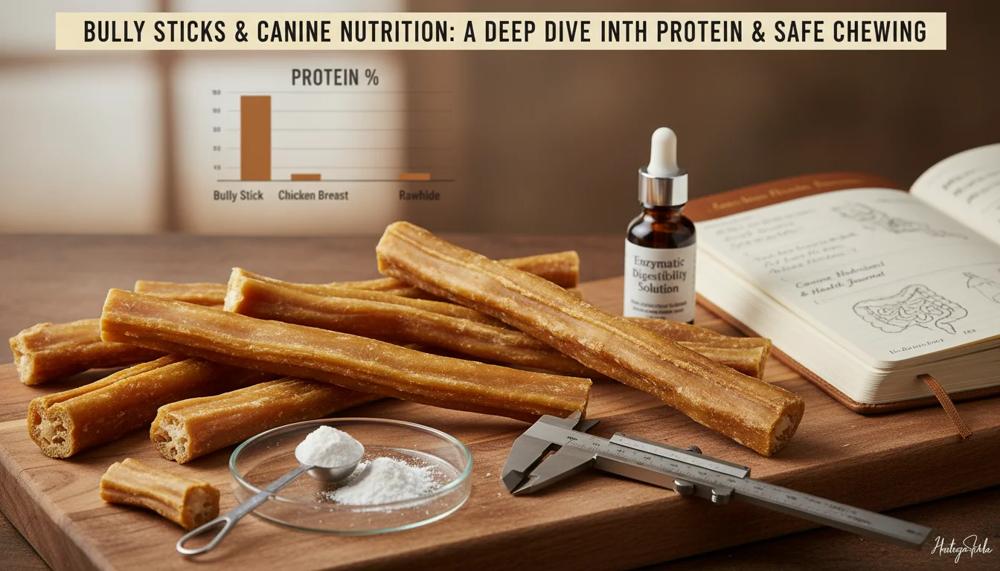
Because bully sticks are made from 100% beef muscle (the pizzle), they are naturally protein-dense. On average, a high-quality bully stick consists of: * Protein: 80% to 90% * Fat: 1% to 5% * Moisture: 10% to 15% * Fiber: Less than 1%
Compared to traditional "kibble-based" treats, which are often loaded with carbohydrates, fillers, and grains, bully sticks offer a much higher concentration of amino acids. This makes them an excellent supplemental source of the building blocks your dog needs for muscle maintenance, skin health, and coat luster.
Why the Protein Quality Matters
Not all protein is created equal. In the world of canine nutrition, we look at bioavailability—how easily a dog’s body can break down and utilize the protein. Because bully sticks are a natural animal byproduct, the protein is highly bioavailable. This is one reason Why Dogs Love Pizzle So Much; their bodies instinctively recognize it as a high-value food source.
Furthermore, the way these treats are processed helps preserve their nutritional integrity. In the guide How Pizzle Is Made: From Farm to Dog Chew, you can see that slow-dehydration or oven-baking is used to remove moisture without destroying the essential amino acids.
Digestibility and the Protein Connection
A common concern with high-protein chews is whether they cause digestive upset. In the debate of Pizzle vs Rawhide: Which Is Safer?, bully sticks win largely because of their protein structure. Rawhide is often treated with chemicals and is notoriously difficult for dogs to digest, leading to potential blockages.
Conversely, the question Is Pizzle Digestible? is met with a reassuring yes. Because it is muscle tissue, the dog’s stomach acid can break it down effectively, allowing the high protein content to be absorbed rather than passing through the system as waste or, worse, causing an obstruction.
The "Hidden" Factor: Calories and Weight Management
While the high protein content is a benefit, it comes with a caveat: calories. Protein is not calorie-free. Because bully sticks are so dense, they can contribute significantly to a dog’s daily caloric intake.
Pet owners often underestimate how much energy is packed into a single chew. Before giving your dog a daily treat, it is wise to consult Calories in Pizzle Chews (By Size). A large bully stick can contain anywhere from 80 to 150 calories. For a small dog, this could represent 25% or more of their total daily requirement.
To avoid weight gain, I recommend following the guidelines in How Many Bully Sticks Can a Dog Have Per Week?. Generally, treats should never exceed 10% of a dog's total daily calories.
Veterinary Consensus on High-Protein Chews
From a clinical perspective, Vet Opinions on Bully Sticks are generally very positive, especially when compared to synthetic chews. However, veterinarians do raise a few points of caution regarding the protein levels:
- Kidney and Liver Issues: Dogs with pre-existing kidney or liver disease may need to be on a protein-restricted diet. In these cases, the 80%+ protein content of a bully stick may be too taxing on their organs.
- Pancreatitis: While bully sticks are low in fat, the sheer richness of the treat can sometimes trigger sensitive stomachs.
- Puppy Nutrition: While they are a great teething aid, you should check Are Pizzle Chews Safe for Puppies? to ensure you aren't over-supplementing their growing bodies.
Safety Precautions for High-Protein Chewing
No matter how nutritious a treat is, safety must come first. High-protein chews like bully sticks become slippery when wet with saliva, which can lead to accidental swallowing of large pieces.
- Supervision is Mandatory: Always watch your dog while they are chewing. If they reach the last inch of the stick, take it away to prevent them from gulping it.
- Prevent Choking: Read more on Can Pizzle Cause Choking? and consider using Best Holders to Prevent Swallowing to secure the end of the stick.
- Hydration: Because of the high protein and low moisture content, dogs will often be thirsty after a chewing session. Ensure a bowl of fresh water is always available.
- Size Matters: Ensure you How to Choose the Right Size Pizzle for Your Dog. A stick that is too small for a large dog is a significant choking hazard.
If your dog is a particularly "enthusiastic" eater, be aware of What to Do If Your Dog Swallows a Large Piece. While they are digestible, a large chunk can still cause temporary distress or a mechanical blockage if not properly chewed.
Summary and Key Takeaways
Bully sticks are an excellent, high-protein addition to most dogs' diets, offering a natural alternative to highly processed treats. They provide essential amino acids and support dental health through the mechanical action of chewing.
- High Protein Content: Bully sticks are typically 80-90% protein, making them one of the most protein-dense treats available.
- Fully Digestible: Unlike rawhide, bully sticks are made of beef muscle and are Is Pizzle Digestible?.
- Calorie Dense: High protein means high energy. Always check the Calories in Pizzle Chews (By Size) to prevent obesity.
- Safety First: Always supervise your dog and use a holder to prevent choking.
- Quality Matters: Look for Single-Ingredient Dog Chews Explained to ensure you aren't feeding your dog hidden chemicals or hormones.
By incorporating bully sticks thoughtfully into your dog's routine, you are providing them with a biologically appropriate, high-protein snack that satisfies their natural urge to chew while supporting their overall health.