Do Bully Sticks Go Bad? A Veterinary Guide to Shelf Life and Safety
As a canine nutrition expert, one of the most frequent questions I receive from proactive pet parents concerns the longevity of natural treats. Bully sticks, often categorized as Single-Ingredient Dog Chews Explained, are beloved by dogs for their texture and flavor. However, because they are a biological product, they do not last forever.
Understanding the shelf life of these chews is vital for preventing gastrointestinal upset and ensuring your dog receives the highest quality nutrition. In this article, we will examine whether bully sticks go bad, how to identify spoilage, and the best practices for maintaining their safety.
What Exactly Are Bully Sticks?
To understand why they might spoil, we first have to look at what they are. Bully sticks are made from high-protein beef muscle—specifically, the bull's penis. For a deeper dive into the anatomy, you can read [What Is Pizzle? (Bull Penis Explained for Dog Owners)](what-is-pizzle-(bull-penis-explained-for-dog-owner.html).
The reason these chews are so durable is due to the manufacturing process. How Pizzle Is Made: From Farm to Dog Chew involves cleaning, stretching, and then slow-drying or smoking the product. This dehydration process removes the moisture that bacteria need to thrive, effectively "preserving" the meat without the need for synthetic chemicals.
Do Bully Sticks Have an Expiration Date?
Yes, bully sticks can go bad. While they are a shelf-stable product, they are not immortal. Most manufacturers provide a "Best By" date, which is typically two to three years from the date of production, provided they are stored in a cool, dry environment.
However, the "expiration" of a bully stick is less about the meat becoming toxic and more about the degradation of the fats and the potential for bacterial contamination once the packaging is opened.
The Role of Moisture and Bacteria
The primary enemy of any dehydrated meat treat is moisture. If a bully stick is exposed to humidity or water, it can rehydrate. Once moisture is introduced, it becomes a breeding ground for bacteria like Salmonella or E. coli. This is why Vet Opinions on Bully Sticks often emphasize hygiene and proper handling.
Signs Your Bully Stick Has Gone Bad
It is important to distinguish between the natural, "musky" scent of a bull pizzle and the scent of actual spoilage. Why Dogs Love Pizzle So Much is often linked to that strong aroma, but there are clear red flags that indicate a chew is no longer safe:
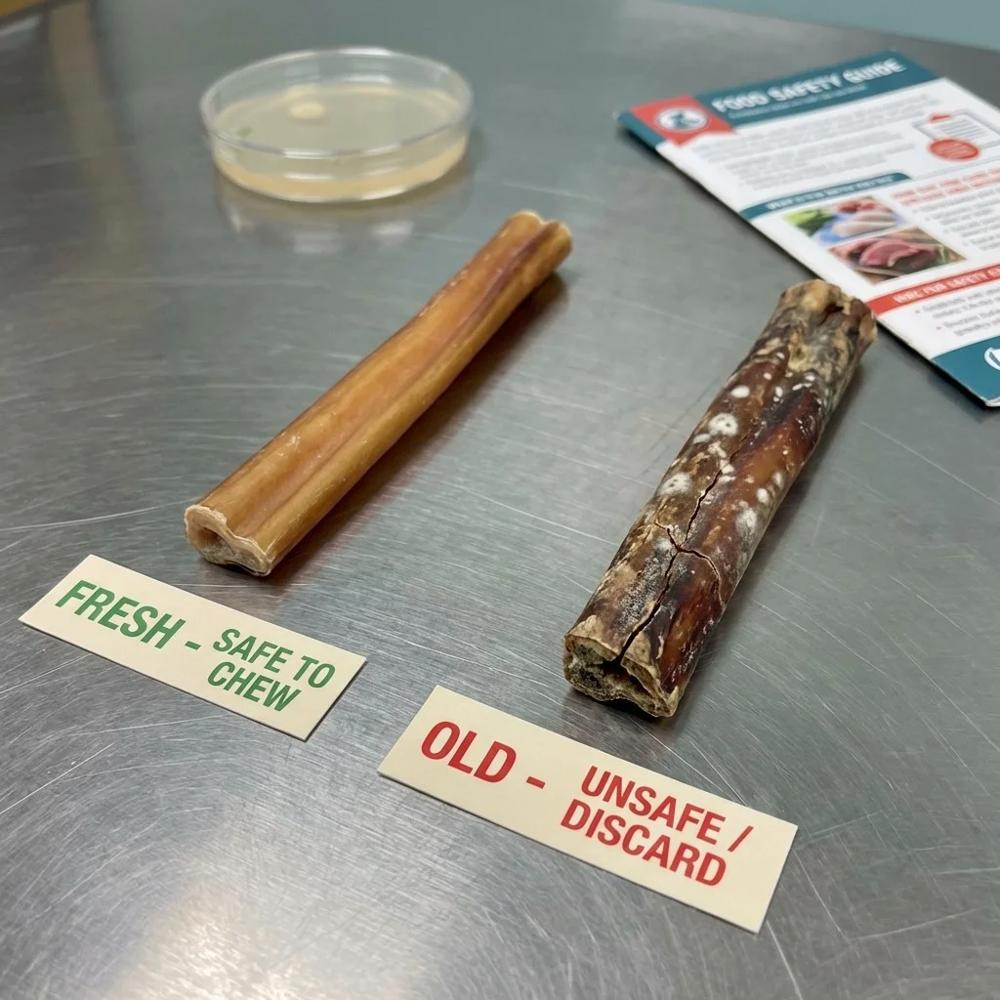
- Visible Mold: If you see white, green, or black fuzzy spots on the surface of the stick, discard it immediately. Mold spores can penetrate deep into the porous muscle fibers.
- Rancid Odor: While bully sticks are naturally pungent, a "bad" stick will smell sour, chemically sharp, or like rotting organic matter. If you prefer a less intense experience, you might consider Odor-Free Bully Sticks: Are They Healthier?, but even these should never smell "off."
- Changes in Texture: A fresh bully stick is extremely hard. If the stick feels oily, "slimy," or unnaturally soft before your dog has even chewed it, it may have been exposed to heat or moisture that triggered decomposition.
- Infestation: Because they are animal products, poorly stored bully sticks can attract pantry moths or beetles. Always check for small holes or larvae if the sticks have been sitting in a cupboard for a long time.
How to Store Bully Sticks Properly
To maximize the lifespan of your dog's favorite treats, storage is key. Following the guidelines in How to Store Bully Sticks Properly can prevent premature spoilage.
- Keep it Airtight: Once you open a bulk bag, transfer the sticks to an airtight container or a heavy-duty Ziploc bag. This prevents moisture from the air from softening the sticks.
- Cool and Dark: Store them in a pantry or cupboard away from the stove or direct sunlight. Heat can cause the natural fats in the pizzle to go rancid.
- The Freezer Method: If you bought in bulk, you might wonder, Can You Freeze Pizzle Chews? The answer is yes. Freezing is an excellent way to extend shelf life and can even make the chew a bit more challenging for aggressive chewers.
What About "Used" Bully Sticks?
A common question from owners is what to do with a half-chewed stick. When a dog chews a bully stick, their saliva introduces moisture and bacteria into the fibers.
If your dog doesn't finish the chew in one sitting, don't leave it on the carpet for days. How Long Does a Bully Stick Last? depends largely on your dog's chewing style, but once it is wet with saliva, you should aim to have them finish it within 24 to 48 hours.
To keep a partially chewed stick fresh, wipe it dry with a paper towel and store it in the refrigerator or a cool spot. This is one of the best ways How to Make Bully Sticks Last Longer while maintaining safety.
Veterinary Safety Concerns
From a clinical perspective, the biggest risks associated with "bad" bully sticks are bacterial infections and physical hazards.
Bacterial Contamination
Even if a stick isn't "expired," it can carry surface bacteria. Always wash your hands after handling bully sticks, and keep them away from human food preparation areas.
Digestibility and Blockages
Is Pizzle Digestible? Yes, it is 100% beef and highly digestible compared to rawhide. However, if a stick has become brittle or compromised due to age, it may break into sharp shards. While it's rare, you should always monitor your dog to ensure they aren't gulping large pieces. Can Pizzle Cause Choking? is a valid concern, particularly as the stick gets down to the last inch.
To mitigate this, many vets recommend using Best Holders to Prevent Swallowing. If the unthinkable happens, knowing What to Do If Your Dog Swallows a Large Piece is essential knowledge for every owner.
Nutritional Balance
Bully sticks are calorie-dense. While they are a great source of protein—as noted in Are Bully Sticks High in Protein?—they should be factored into your dog's daily intake. Refer to Calories in Pizzle Chews (By Size) to ensure you aren't overfeeding, which can lead to obesity or pancreatitis.
Summary and Key Takeaways
Bully sticks are an excellent, natural alternative to synthetic chews, but they require mindful handling. By treating them as the biological food products they are, you can ensure your dog stays safe and healthy.
- Shelf Life: Unopened bully sticks usually last 2–3 years.
- Moisture is the Enemy: Keep sticks dry to prevent mold and bacterial growth.
- Identify Spoilage: Look for mold, a rancid/sour smell, or a slimy texture.
- Post-Chew Care: If a stick is wet with saliva, use it within 48 hours or refrigerate it.
- Storage: Use airtight containers and consider freezing for long-term storage.
- Supervision: Always watch your dog while they chew to prevent choking on small, "end" pieces.
By following these professional guidelines, you can provide your dog with a safe, high-quality chewing experience that supports their dental health and natural instincts.