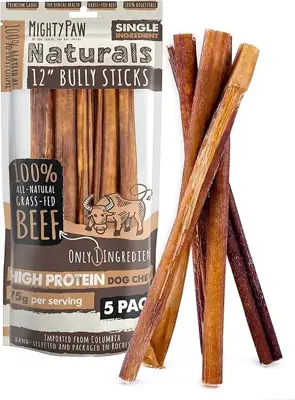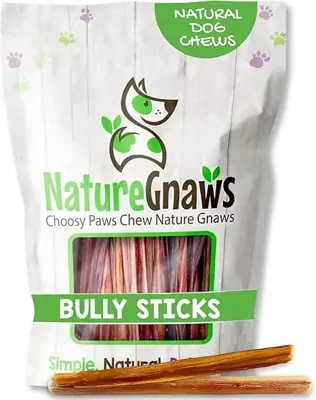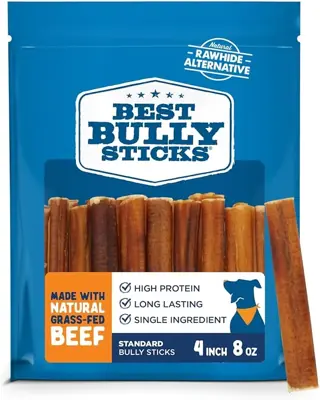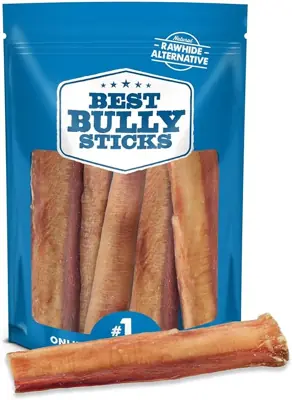
How to Store Bully Sticks Properly
As a canine nutrition expert, I often emphasize that what you feed your dog is only half the battle; how you handle and store those items is equally critical for their health. Bully sticks are one of the most popular Single-Ingredient Dog Chews Explained on the market today. However, because they are a natural, animal-based product, they require more attention than a synthetic toy or a highly processed biscuit.
Understanding how to store bully sticks properly is essential for maintaining their nutritional integrity, preventing bacterial growth, and ensuring they remain a safe, long-lasting treat for your companion.
Why Storage Matters for Natural Chews
To understand storage, we must first understand the product. Many owners ask, "What Is Pizzle?"
Since Bully Sticks Are High in Protein and contain zero artificial preservatives, they are susceptible to environmental factors like humidity, heat, and pests. Improper storage can lead to: * Bacterial Contamination: Moisture can reintroduce the risk of Salmonella or Listeria. * Mold Growth: If a partially chewed stick is left in a dark, damp bag, mold can develop quickly. * Loss of Texture: Humidity can make a stick soft or rubbery, reducing its dental benefits. * Infestations: Natural beef products can attract pantry moths or beetles if not sealed.
Storing New, Unused Bully Sticks
If you have purchased Best Value Bulk Bully Stick Packs, you likely have a large supply that needs to last several months. Here is the professional standard for long-term storage:
1. The Cool, Dry Pantry
The ideal environment for a bully stick is a cool, dry place away from direct sunlight. Sunlight can degrade the fats in the beef, leading to rancidity. A kitchen pantry or a dedicated "dog cabinet" is usually perfect. Aim for a temperature-controlled environment; avoid storing treats in a garage or an outdoor shed where temperatures fluctuate.
2. Airtight Containers
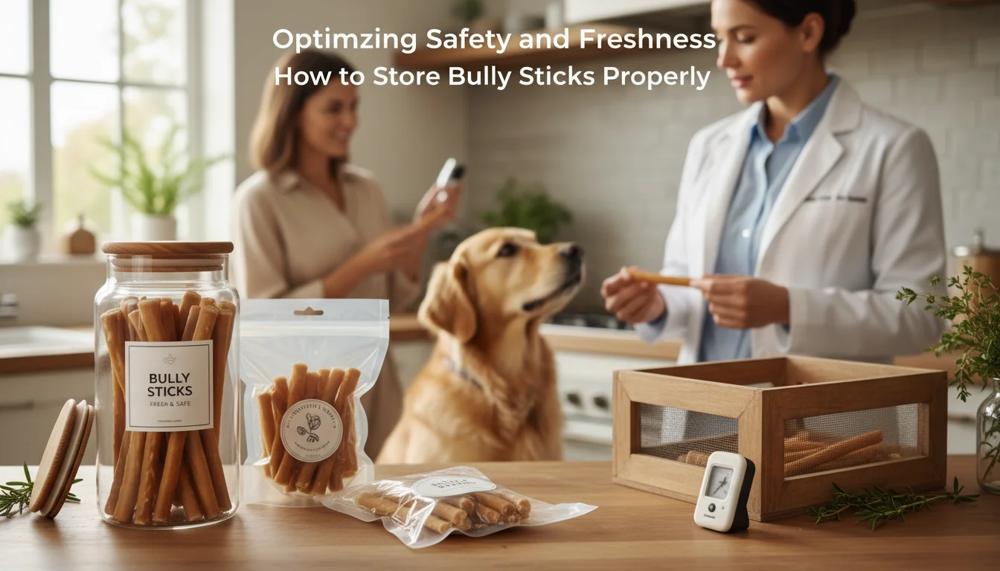
While many brands provide resealable bags, these can sometimes fail or be punctured. For maximum freshness, transfer your sticks to a glass or heavy-duty plastic airtight container. This serves two purposes: it keeps moisture out and keeps the natural aroma in. If you are using Odor-Free Bully Sticks, an airtight container ensures they stay that way by preventing the absorption of ambient moisture that can reactivate odors.
3. Humidity Control
If you live in a particularly humid climate, consider adding a food-grade desiccant pack (silica gel) to your storage container. This helps ensure the sticks remain bone-dry, which is the primary defense against spoilage.
Storing "In-Progress" Bully Sticks
One of the most common questions I receive is: "What do I do when my dog doesn't finish the stick in one sitting?"
Because Bully Sticks Last a Long Time for many dogs, you will often find yourself with a "half-chewed" stick. This stick is now covered in canine saliva, which introduces bacteria and moisture.
The "Dry and Freeze" Method
Do not simply throw a wet, chewed bully stick back into a sealed bag with fresh sticks. This will cause the entire batch to spoil. Instead: 1. Wipe the stick: Use a paper towel to remove excess saliva. 2. Air dry: Let it sit on a counter for 30–60 minutes to dry out. 3. Freeze it: Place the partially eaten stick in a zip-top bag and put it in the freezer.
Can You Freeze Pizzle Chews? Absolutely. In fact, it is the recommended way to store them between chewing sessions. Freezing kills most surface bacteria and hardens the stick, which can actually Make Bully Sticks Last Longer during the next session.
Signs of Spoilage: When to Toss It
Even with perfect storage, you should always inspect a treat before giving it to your dog. Ask yourself: Do Bully Sticks Go Bad? Yes, they can.
Discard the stick immediately if you notice: * Visible Mold: White, green, or black fuzzy spots. * An "Off" Odor: While bully sticks have a natural scent, a "sour" or "rotting" smell indicates rancidity or bacterial overgrowth. * Slimy Texture: If the stick feels slimy even when dry, it has likely been compromised. * Pantry Pests: Small holes or fine "dust" in the bottom of the container can indicate insect activity.
Safety and Veterinary Consensus
From a veterinary perspective, the safety of a chew is determined by both its physical properties and its hygiene. Most Vet Opinions on Bully Sticks are positive because Pizzle Is Digestible, unlike rawhide. However, vets emphasize that hygiene is paramount. A contaminated stick can cause gastrointestinal upset or more severe infections.
Supervision is Key
Regardless of how well you store your treats, safety during the "chewing phase" is vital. Can Pizzle Cause Choking? Yes, if the dog swallows a small nub. To prevent this, I recommend using Best Holders to Prevent Swallowing. These devices grip the end of the stick, making it impossible for your dog to gulp the final inch.
Fresh Water Access
Chewing on high-protein, dehydrated treats like bully sticks can make dogs thirsty. Always ensure your dog has access to a bowl of fresh, clean water during and after their chewing session.
Summary: Key Takeaways for Proper Storage
To ensure your dog enjoys a safe and healthy experience, follow these storage protocols:
- Unused Sticks: Store in a cool, dry, dark place inside an airtight container.
- Half-Eaten Sticks: Wipe them dry and store them in the freezer to prevent bacterial growth.
- Inventory Management: Check for signs of mold or "off" smells every time you reach for a new treat.
- Humidity is the Enemy: Use desiccant packs if you live in a damp environment to keep the sticks crisp.
- Safety First: Always supervise your dog and consider a safety holder to prevent the "end-of-stick" choking hazard.
By treating bully sticks as the high-quality food products they are, you protect your dog’s health and ensure you get the most value out of your purchase. Proper storage keeps the "chew" in the stick and the "wag" in the tail.