Vet Opinions on Bully Sticks: A Comprehensive Clinical Perspective
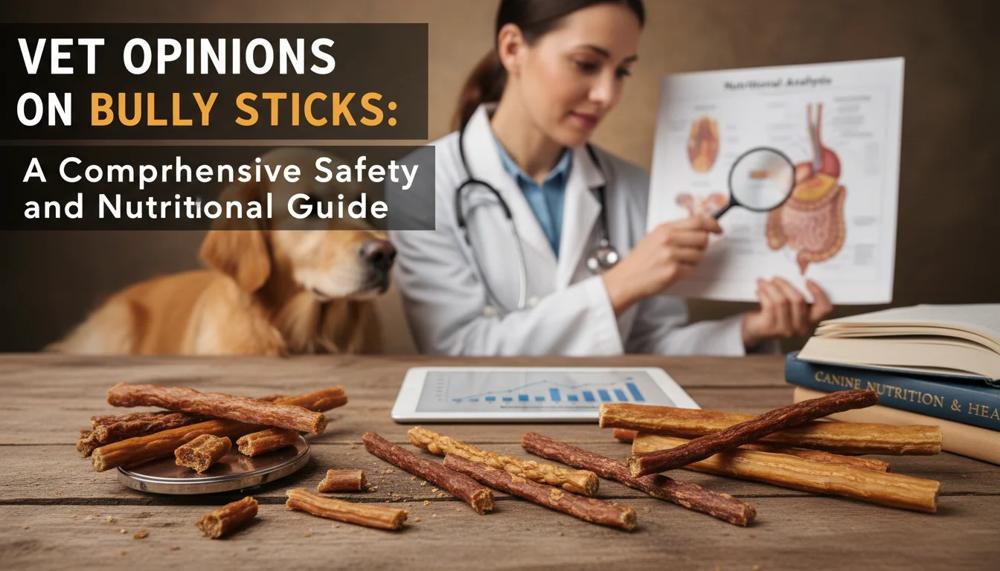
As a canine nutrition expert and veterinary consultant, I am frequently asked by pet parents for recommendations on the safest, most effective chews for their dogs. In a market saturated with synthetic bones, chemically treated hides, and brittle dental treats, bully sticks have emerged as a frontrunner.
But what is the professional veterinary consensus? Are these natural chews truly the "gold standard," or are there hidden risks that owners should be aware of? This article provides a deep dive into the clinical analysis of bully sticks, evaluating their nutritional profile, safety concerns, and overall health benefits.
Understanding the Product: What Are Bully Sticks?
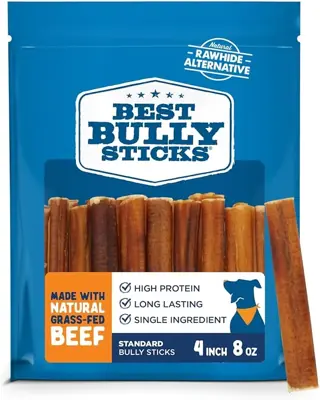
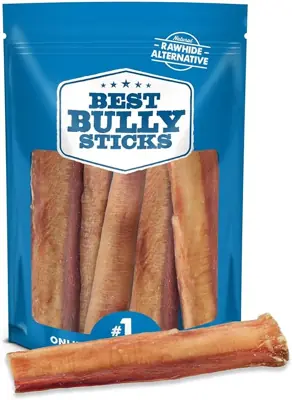
Before analyzing their health impact, it is essential to define the product. Bully sticks are a single-ingredient chew made from high-protein beef muscle—specifically, the bull’s penis. In the industry, this is often referred to by its traditional name: pizzle.
For a detailed look at the anatomy and terminology, you may find our guide on What Is Pizzle? (Bull Penis Explained for Dog Owners) helpful. While the origin of the treat often surprises owners, it is exactly this biological composition that makes them so attractive to veterinarians. Because they are a natural muscle tissue rather than a processed byproduct, they offer a unique set of nutritional and mechanical benefits.
The Veterinary Case for Bully Sticks
Most veterinarians and nutritionists view bully sticks favorably, especially when compared to traditional alternatives like rawhide. Here is why they are often recommended:
1. Superior Digestibility
One of the primary reasons vets prefer these chews is their high rate of digestibility. Unlike rawhide, which can sit in the stomach for days and potentially cause life-threatening obstructions, bully sticks are composed of natural protein that breaks down relatively easily in the digestive tract. If you are debating between the two, our analysis on Pizzle vs Rawhide: Which Is Safer? provides a side-by-side comparison of the risks involved.
2. Dental Prophylaxis
Periodontal disease is the most common clinical condition in adult dogs. The mechanical action of chewing a tough, fibrous material like a bully stick helps to scrape away plaque and tartar from the surface of the teeth. While they do not replace professional veterinary cleanings, they serve as an excellent supplemental tool for maintaining oral hygiene.
3. Mental Health and Enrichment
Chewing is a self-soothing behavior for dogs. It triggers the release of endorphins, which helps reduce anxiety and boredom. From a behavioral health perspective, providing a long-lasting chew can prevent destructive chewing of furniture or shoes.
Clinical Concerns and Safety Precautions
Despite their benefits, bully sticks are not without "fine print." As a veterinary consultant, I advise owners to consider the following clinical factors:
Caloric Density and Obesity
One of the most overlooked aspects of bully sticks is their caloric content. Because they are nearly pure protein, they are calorie-dense. Owners often forget to account for these calories in the dog's daily intake, which can lead to weight gain.
Vets generally recommend that treats should not exceed 10% of a dog’s daily caloric requirement. For more information on managing this balance, refer to How Many Bully Sticks Can a Dog Have Per Week? and our breakdown of Calories in Pizzle Chews (By Size).
Bacterial Contamination
Since bully sticks are a natural animal product, there is a risk of bacterial contamination, such as Salmonella or E. coli. High-quality manufacturers use rigorous drying and irradiation processes to mitigate this risk. It is vital to learn How to Choose High-Quality Pizzle to ensure you are purchasing a product that has been handled safely.
The Choking and Blockage Risk
The most significant safety concern occurs when a dog chews the stick down to a small "nub." At this point, many dogs—especially "gulpers"—will attempt to swallow the remaining piece whole. This can lead to esophageal or intestinal blockages.
To mitigate this, many vets recommend using a safety device. You can explore the Best Holders to Prevent Swallowing to find a solution that keeps the end of the stick secure. If the unthinkable happens, you should be prepared by knowing What to Do If Your Dog Swallows a Large Piece.
Veterinary Consensus: Who Should Avoid Them?
While generally safe, bully sticks are not appropriate for every dog. Veterinary professionals typically advise caution in the following scenarios:
- Puppies with Deciduous Teeth: While they can be great for teething, very hard sticks may risk damaging fragile puppy teeth. See Are Pizzle Chews Safe for Puppies? for age-specific advice.
- Dogs with Kidney Disease: Due to the extremely high protein content, dogs on protein-restricted diets should avoid these chews.
- Aggressive Chewers: Dogs that try to "snap" the chew rather than gnaw on it may be at higher risk for tooth fractures. For these dogs, choosing Thick Bully Sticks or Braided Bully Sticks can provide a more appropriate challenge.
How to Select the Safest Option
To maximize safety and health benefits, I recommend following these veterinary-approved selection criteria:
- Sourcing Matters: Look for USA-Sourced Bully Sticks or those from reputable regions like South America to ensure strict safety standards.
- Size Appropriateness: Never give a small stick to a large dog. How to Choose the Right Size Pizzle for Your Dog is a critical step in preventing choking.
- Ingredient Transparency: Stick to Single-Ingredient Dog Chews Explained to avoid unnecessary chemicals, dyes, or preservatives.
Summary and Key Takeaways
The general veterinary opinion on bully sticks is that they are one of the safest and most beneficial natural chews available, provided they are used with common sense and supervision.
- Highly Digestible: Far safer than rawhide or synthetic bones in terms of gastrointestinal transit.
- Dental Benefits: Helps reduce plaque and tartar through mechanical abrasion.
- High Protein: An excellent source of amino acids, but must be factored into the dog's total daily calories.
- Supervision is Mandatory: Always watch your dog while they chew and remove the "nub" once it becomes small enough to swallow.
- Quality Over Price: Avoid "bargain" sticks that may be treated with chemicals or harbor bacteria. Learn How to Spot Low-Quality or Fake Pizzle to keep your pet safe.
By integrating these treats thoughtfully into your dog's routine, you provide them with not only a delicious snack but a valuable tool for their physical and mental well-being. Always consult with your primary veterinarian if your dog has specific health conditions or a history of dietary sensitivities before introducing a new chew.