Are Pizzle Chews Safe for Puppies? A Comprehensive Veterinary Guide
As a canine nutrition expert, one of the most frequent questions I receive from new pet parents is: "What can I give my puppy to chew on that won't hurt them?" The puppy teething phase is notorious for destroyed furniture and nipped fingers, leading many owners to seek out long-lasting natural chews.
Among the most popular options are pizzle chews. But are they truly safe for a developing puppy? In this guide, we will analyze the nutritional profile, safety risks, and veterinary recommendations for introducing pizzle to your puppy’s diet.
Understanding Pizzle: What Is It?
Before diving into safety, it is essential to understand the product. "Pizzle" is the traditional term for the penis of a bull. In the pet industry, these are most commonly marketed as "bully sticks." If you are curious about the anatomical details, you can read more in our article, [What Is Pizzle? (Bull Penis Explained for Dog Owners)](what-is-pizzle-(bull-penis-explained-for-dog-owner.html).
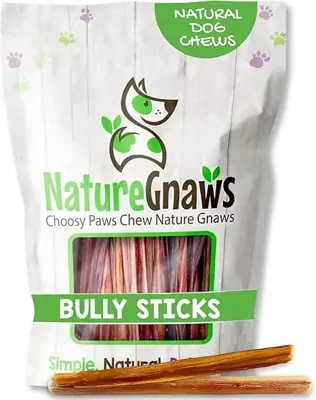
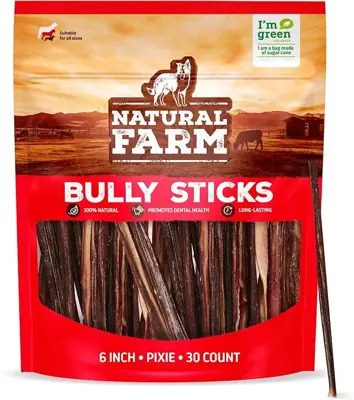
While the names are often used interchangeably, many owners ask, Are Bully Sticks the Same as Pizzle? The answer is yes; they are the same single-ingredient chew. They are prepared through a process of cleaning, stretching, and drying (either sun-dried or oven-baked). For a deeper look at the manufacturing process, see How Pizzle Is Made: From Farm to Dog Chew.
Why Pizzle Is a Popular Choice for Puppies
Puppies have an innate biological drive to chew. This behavior helps relieve the discomfort of erupting adult teeth and serves as a vital tool for sensory exploration. Pizzle chews are often recommended over other options for several reasons:
1. High Digestibility
Unlike rawhide, which is a byproduct of the leather industry and can linger in the gut for weeks, pizzle is made of 100% beef muscle. When we look at the question, Is Pizzle Digestible?, the answer is a resounding yes. It breaks down completely in the digestive tract, significantly reducing the risk of a gastrointestinal blockage compared to synthetic or hide-based chews. In the debate of Pizzle vs Rawhide: Which Is Safer?, pizzle is almost always the superior choice for a puppy’s sensitive stomach.
2. Nutritional Density
Puppies require high-quality protein to support their rapid growth. Are Bully Sticks High in Protein? Yes, they are. They are also rich in amino acids that support brain development, skin health, and coat luster. Furthermore, they are a single-ingredient dog chew, meaning you don't have to worry about the artificial dyes, preservatives, or "mystery meats" found in many commercial puppy treats.
3. Dental Health
As a puppy chews, the mechanical action helps scrape away soft plaque from the teeth and massages the gums. This can be especially soothing during the peak of teething.
Detailed Safety Analysis: The "How" and "Why"
While pizzle is generally safe, "safe" does not mean "risk-free." As a veterinary consultant, I advise owners to consider the following factors before handing a chew to a young dog.
When Can Puppies Start Having Pizzle?
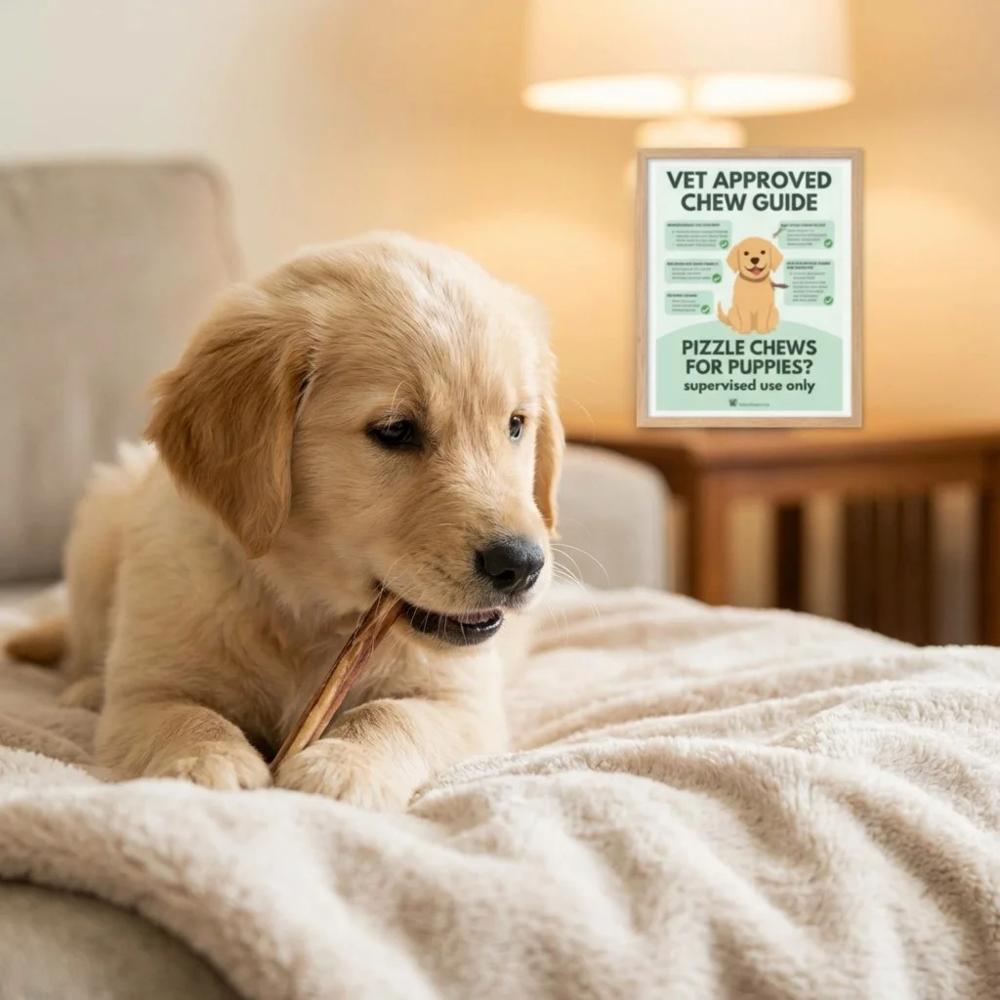
Most veterinarians recommend waiting until a puppy is at least 12 weeks old before introducing hard chews like pizzle. By this age, their permanent teeth are beginning to move, and their digestive systems are robust enough to handle high-protein treats. However, always consult your vet, as small breeds may need more time than large breeds.
The Risk of Choking and Blockage
The primary safety concern with any chew is the "nub" or the small end piece. Can Pizzle Cause Choking? Yes, if a puppy gets excited and tries to swallow the last inch or two whole. Because puppies are still learning how to chew properly, they are at a higher risk of swallowing large chunks. Knowing what to do if your dog swallows a large piece is vital for every owner.
Caloric Content
Puppies have strict nutritional requirements. Because pizzle is dense muscle, it is calorie-heavy. You must account for the calories in pizzle chews when calculating your puppy's daily food intake to prevent unhealthy weight gain or nutritional imbalances.
Bacterial Concerns
Because pizzle is a natural animal product, there is a small risk of bacterial contamination (such as Salmonella). This is why how to choose high-quality pizzle is so important. Opting for USA-sourced bully sticks or grass-fed bully sticks often ensures higher safety standards during processing.
Veterinary Consensus on Pizzle for Puppies
The general vet opinions on bully sticks are overwhelmingly positive, provided they are used correctly. Vets often prefer pizzle over bones or antlers because pizzle is softer and less likely to cause tooth fractures. In the comparison of pizzle vs antlers, antlers are often deemed too hard for puppy milk teeth, whereas pizzle softens as the puppy salivates on it.
However, vets do caution against overfeeding. High protein levels can sometimes lead to loose stools in puppies with particularly sensitive stomachs. If you notice your puppy having diarrhea after a chew session, it may be a sign your dog is chewing too much pizzle.
Essential Safety Tips for Puppy Owners
To ensure your puppy enjoys their chew safely, follow these professional guidelines:
- Supervision is Non-Negotiable: Never leave a puppy alone with a pizzle chew. Watch how they interact with it. Are they a "gnawer" or a "gulper"?
- Use a Safety Device: To prevent the swallowing of the end piece, use one of the best holders to prevent swallowing. These devices grip the stick so the puppy cannot get to the small nub.
- Size Matters: For a puppy, bigger is often safer. How to choose the right size pizzle for your dog involves picking a stick that is long enough that the puppy cannot fit the whole thing in their mouth. For smaller pups, look for best bully sticks for small dogs.
- Limit Chewing Time: Do not let a puppy finish an entire stick in one sitting. 10–15 minutes is usually sufficient for a teething session.
- Fresh Water Access: Chewing on high-protein dried meats can make a puppy thirsty. Always ensure a bowl of fresh water is nearby.
- Proper Storage: Natural chews can spoil if exposed to moisture. Learn how to store bully sticks properly to keep them fresh and bacteria-free.
Summary and Key Takeaways
Pizzle chews are one of the safest, most natural, and most beneficial chews available for puppies, provided they are introduced at the right age and monitored closely.
- Safe Age: Generally 12 weeks or older.
- Digestibility: Highly digestible and safer than rawhide.
- Benefits: High protein, great for teething and dental hygiene.
- Risks: Choking on the end piece and potential for upset stomach if over-consumed.
- Top Tip: Use a bully stick holder and always supervise your puppy.
By choosing high-quality products—such as odor-free bully sticks or braided bully sticks for more advanced chewers—you can provide your puppy with a healthy outlet for their chewing instincts while keeping them safe and occupied.