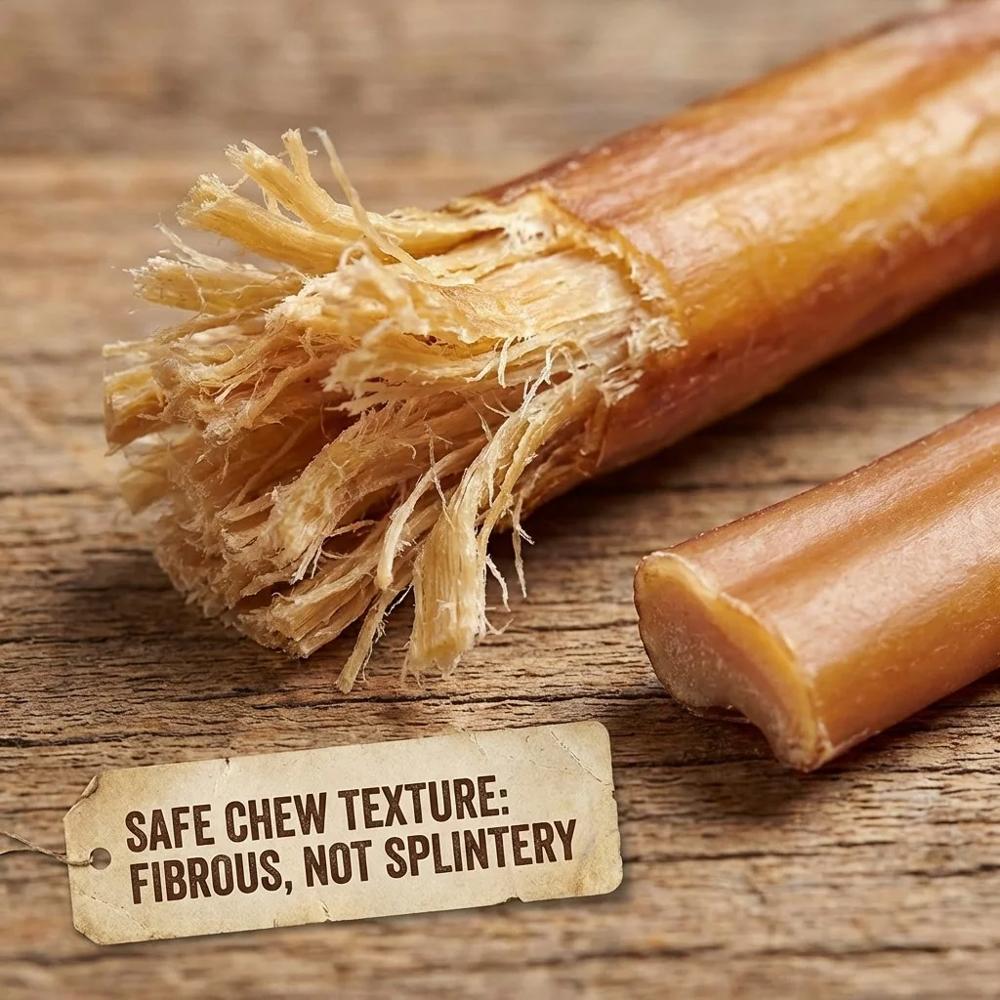
Does Pizzle Splinter? A Veterinary Guide to Safety and Texture
As a canine nutrition expert and veterinary consultant, one of the most frequent questions I receive from concerned pet parents revolves around the safety of natural chews. Specifically, when owners graduate from soft treats to long-lasting chews, the fear of internal injury is paramount. A common concern is: Does pizzle splinter?
When we talk about "splintering," we are usually referring to the way cooked bones or certain brittle plastics shatter into sharp, needle-like shards that can puncture the esophagus, stomach, or intestinal tract.
The short answer is: No, high-quality pizzle does not splinter. However, understanding why it doesn't—and what the actual risks are—is essential for any responsible dog owner.
Understanding the Physical Composition of Pizzle
To understand why pizzle doesn’t splinter, we first have to look at what it actually is. Many owners are surprised to learn that [What Is Pizzle? (Bull Penis Explained for Dog Owners)](what-is-pizzle-(bull-penis-explained-for-dog-owner.html) is essentially a single-ingredient, high-protein bovine muscle.
Unlike bones, which are mineralized and rigid, or antlers, which are dense bone tissue, pizzle is comprised of organized bundles of collagen and elastic fibers. Because it is a muscle/tendon-like organ rather than a skeletal structure, it lacks the brittle cellular matrix required to "shatter."
Many people ask, Are Bully Sticks the Same as Pizzle? The answer is yes; they are the same product, and their safety profile is identical. Because they are Single-Ingredient Dog Chews Explained, they don't contain the glues or synthetic binders found in some compressed "fake" chews that might break off in sharp chunks.
Why Pizzle Does Not Splinter Like Bone
The primary reason pizzle is considered one of the safest long-lasting chews is its reaction to moisture and mechanical pressure.
The Role of Saliva and Hydration
When a dog chews on a pizzle stick, the friction of their teeth combined with their saliva begins a process of rehydration. While the stick starts out hard and rigid due to the dehydration process (which you can learn more about in How Pizzle Is Made: From Farm to Dog Chew), it quickly softens at the point of contact.
Instead of snapping into shards, the end of the pizzle becomes frayed and "moppy." The fibers expand and soften, turning into a chewy, leathery texture that the dog gradually wears down. This is why Is Pizzle Digestible? is such a vital topic; because it softens into a bolus of protein, the stomach acids can break it down much more effectively than they can a shard of bone or a piece of rawhide.
Pizzle vs. Other Common Chews
To put the "non-splintering" nature of pizzle into perspective, let’s compare it to other popular options: * Cooked Bones: These are the highest risk for splintering. Heat changes the molecular structure of bone, making it brittle. * Rawhide: While it doesn't "splinter," it can become a slimy, indigestible mass that causes blockages. For a deeper dive, see Pizzle vs Rawhide: Which Is Safer?. * Antlers: These are very hard and do not soften with saliva. While they don't splinter easily, they are known for causing tooth fractures. You can compare these further in Pizzle vs Antlers.
Potential Risks: If Not Splintering, Then What?
While we have established that splintering is not a concern, it would be irresponsible to suggest that pizzle is 100% risk-free. As a veterinary consultant, I advise owners to watch for two specific issues: choking and blockages.
The "Gulping" Hazard
The real danger occurs when a pizzle stick is chewed down to a small "nub." If a dog attempts to swallow this last inch or two whole, it can become lodged in the throat. This is why understanding Can Pizzle Cause Choking? is critical for owners of "power chewers" or "gulpers."
Intestinal Obstruction
Even though pizzle is highly digestible, if a dog manages to swallow a very large, unchewed chunk, it may take time for the stomach to process it. In rare cases, this can cause a temporary gastric upset or, in very small breeds, a potential blockage. Knowing What to Do If Your Dog Swallows a Large Piece can save you a frantic trip to the emergency vet.
Veterinary Consensus on Pizzle Safety
In the veterinary community, Vet Opinions on Bully Sticks are generally very positive, especially when compared to synthetic or bone-based alternatives. Vets appreciate that pizzle provides dental benefits—the mechanical action of chewing the softened fibers helps scrape away plaque—without the risk of esophageal perforation associated with splintering items.
However, we always emphasize quality. Not all pizzle is created equal. To ensure you are giving your dog a product that will break down safely, you must know How to Choose High-Quality Pizzle. Low-quality, imported sticks that have been treated with harsh chemicals may have a different structural integrity than natural, grass-fed options.
Best Practices for Safe Chewing
To ensure your dog enjoys the benefits of pizzle without the risks of choking or swallowing large pieces, follow these safety protocols:
- Supervision is Mandatory: Never leave your dog unattended with a chew. Watch how they interact with it. Are they "gnawing" (safe) or "crunching and gulping" (risky)?
- Use a Holder: To mitigate the risk of your dog swallowing the end of the stick, consider using one of the Best Holders to Prevent Swallowing. These devices grip the end of the stick so the dog cannot reach the small nub.
- Size Matters: Always select a chew appropriate for your dog's weight and jaw strength. If you are unsure, consult our guide on How to Choose the Right Size Pizzle for Your Dog.
- The "Take-Away" Rule: When the stick becomes small enough to fit entirely inside your dog's mouth, it is time to take it away and discard it.
- Provide Water: Chewing is thirsty work, and hydration helps the digestion process once the pizzle reaches the stomach.
Summary: Key Takeaways for Dog Owners
- Pizzle does not splinter. It is made of fibrous muscle and collagen, not brittle bone or mineralized tissue.
- Saliva is key. The chew softens as the dog works on it, making it safer for the digestive tract.
- Digestibility is high. Unlike rawhide, pizzle is a natural protein that breaks down well in the stomach.
- The main risk is choking. The danger isn't sharp shards; it's the "nub" at the end of the chew.
- Quality counts. Stick to high-quality, naturally processed sticks to ensure the safest texture for your pet.
By understanding the biological makeup of these chews and following basic safety precautions, you can provide your dog with a healthy, high-protein outlet for their natural chewing instinct without the fear of splintering injuries.