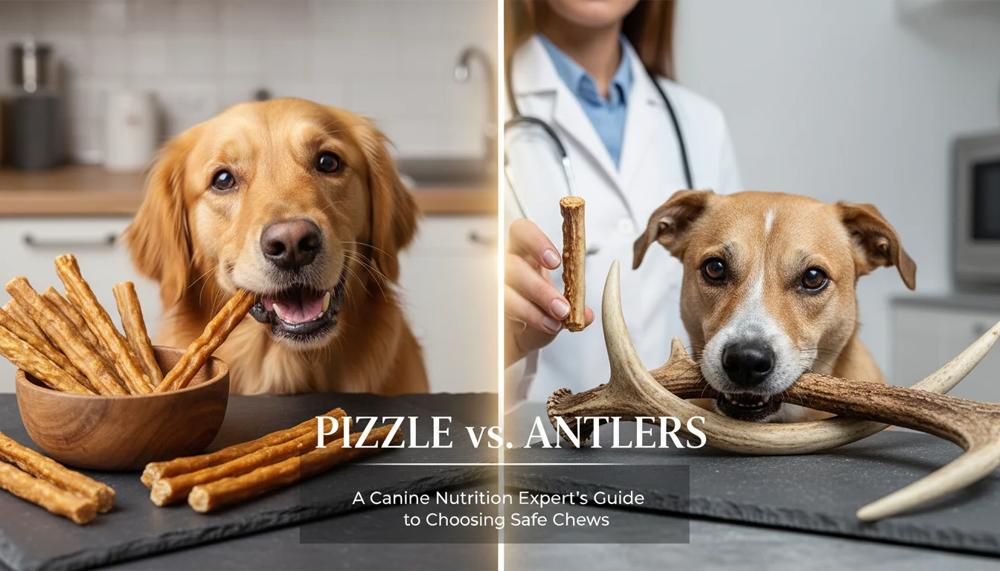
Pizzle vs. Antlers: A Comprehensive Guide to Choosing the Safest Chew for Your Dog
As a dog owner, providing an outlet for your pet’s natural chewing instinct is one of the best things you can do for their mental stimulation and dental hygiene. However, the "chew aisle" at the local pet store can be overwhelming. Two of the most popular long-lasting options on the market today are pizzle (commonly known as bully sticks) and antlers.
While both are marketed as natural alternatives to synthetic chews, they offer vastly different experiences in terms of safety, nutrition, and durability. In this guide, we will analyze the "why" and "how" behind these two chews to help you make an informed, safety-conscious decision for your canine companion.
Understanding the Contenders
Before we dive into the comparison, it is essential to define exactly what these products are.
What is Pizzle?
If you are new to natural chews, you might find yourself asking, What Is Pizzle?. Put simply, it is a Single-Ingredient Dog Chew Explained made from the high-protein muscle of a bull. Many owners ask, Are Bully Sticks the Same as Pizzle?, and the answer is yes; they are the same product, typically slow-dried or smoked to create a durable, flavorful treat.
What are Antlers?
Antlers are typically sourced from deer, elk, or moose. Unlike horns, which are permanent, antlers are shed naturally every year and collected from the forest floor. They are composed of a bone-like substance with a nutrient-dense marrow center. They are famously hard and can last for weeks or even months.
Detailed Analysis: Pizzle vs. Antlers
To choose the right chew, we must look at how they perform across four critical categories: digestibility, dental safety, nutritional value, and longevity.
1. Digestibility and GI Health
One of the most significant differences between these two options is how the body processes them. Is Pizzle Digestible? Yes, almost entirely. Because it is made of muscle tissue, the dog’s digestive enzymes break it down as it travels through the gut. This significantly reduces the risk of a gastrointestinal blockage if a small piece is swallowed.
In contrast, antlers are not digestible. While a dog may grind down the antler into a fine powder or consume the inner marrow, any large shards that break off cannot be broken down by stomach acid. This makes antlers a higher risk for internal obstructions if the dog is a "power chewer" capable of snapping off pieces.
2. Dental Health and Hardness
Veterinary dentists often use the "kneecap rule": if you wouldn't want to be hit in the kneecap with the object, it’s probably too hard for your dog’s teeth.
- Pizzle: When a dog chews a bully stick, their saliva softens the protein fibers. This creates a "brushing" effect as the teeth sink into the chew, helping to scrape away plaque. Because they soften, the risk of a tooth fracture is extremely low.
- Antlers: Antlers are significantly harder than tooth enamel. This creates a high risk for "slab fractures," where a portion of the premolar or molar breaks off, often leading to painful exposed nerves and expensive veterinary dental surgery.
3. Nutritional Profile
If your dog is on a calorie-restricted diet, you must consider the Calories in Pizzle Chews (By Size). Pizzle is essentially a high-protein snack. Are Bully Sticks High in Protein? Absolutely—they are almost pure protein, which is excellent for muscle development but must be accounted for in the daily caloric intake.
Antlers, on the other hand, are virtually calorie-free. They are rich in minerals like calcium, phosphorus, and magnesium, but since the dog consumes so little of the actual material, they are generally considered "diet-neutral."
4. Longevity and Cost
When asking How Long Does a Bully Stick Last?, the answer depends on the dog. For Best Bully Sticks for Large / Aggressive Chewers, a thick stick might last 30 to 60 minutes. Antlers win the longevity battle easily, often lasting for several weeks of intermittent chewing. However, the safety trade-off for that longevity is the increased risk of dental damage.
Safety Tips and Precautions
Regardless of which chew you choose, safety must be the priority. In the world of Natural Dog Chews Compared, no chew is 100% risk-free.
- Supervision is Mandatory: Never leave your dog unattended with a chew. You need to be present to intervene if the chew becomes small enough to swallow or if it begins to splinter.
- The "Stub" Hazard: For pizzle, the most dangerous moment is when it reaches the last inch. Can Pizzle Cause Choking? Yes, if the dog tries to "gulp" the remaining nub. To prevent this, consider using Best Holders to Prevent Swallowing.
- Check for Splintering: While we often ask Does Pizzle Splinter? (it generally does not), antlers definitely can. If you notice an antler is cracking or sharp shards are coming off, discard it immediately.
- Know the Signs of Trouble: If your dog does manage to swallow a large portion of either, you must know What to Do If Your Dog Swallows a Large Piece. Watch for lethargy, vomiting, or lack of appetite.
- Fresh Water Access: Both chews (especially high-protein pizzle) can make dogs thirsty. Ensure a bowl of fresh water is always available.
Veterinary Consensus
Most veterinary professionals lean toward pizzle when asked for a recommendation. In our review of Vet Opinions on Bully Sticks, the consensus is that the digestibility and "give" of the material make it a safer choice for the average dog.
Vets are particularly cautious about antlers for senior dogs or Are Pizzle Chews Safe for Puppies?. Puppies have fragile deciduous teeth, and seniors often have weakened enamel or existing dental disease. In both cases, the extreme hardness of an antler is often contraindicated.
Summary: Which Should You Choose?
The "best" chew depends on your dog's chewing style and health needs, but for the majority of households, pizzle is the safer, more nutritional choice.
Key Takeaways:
- Safety: Pizzle is fully digestible; antlers are not and carry a high risk of tooth fractures.
- Nutrition: Pizzle is high in protein and calories; antlers are mineral-rich but calorie-neutral.
- Durability: Antlers last much longer, but their hardness is their primary safety drawback.
- Puppies/Seniors: Stick to pizzle or softer chews to avoid damaging developing or aging teeth.
- Aggressive Chewers: If your dog destroys pizzle too quickly, look for "jumbo" or "braided" varieties rather than jumping straight to antlers, which may be too hard for their bite force.
By understanding the biological makeup of these chews and the risks associated with hardness and digestibility, you can ensure your dog stays happy, occupied, and—most importantly—safe.