Are Bully Sticks the Same as Pizzle? A Veterinary Guide to These Popular Chews
If you have spent any time in a pet supply store or browsing online for natural dog treats, you have likely encountered two terms that seem to be used interchangeably: bully sticks and pizzle. For many pet owners, the terminology can be confusing. Are they two different products, or is one a subset of the other?
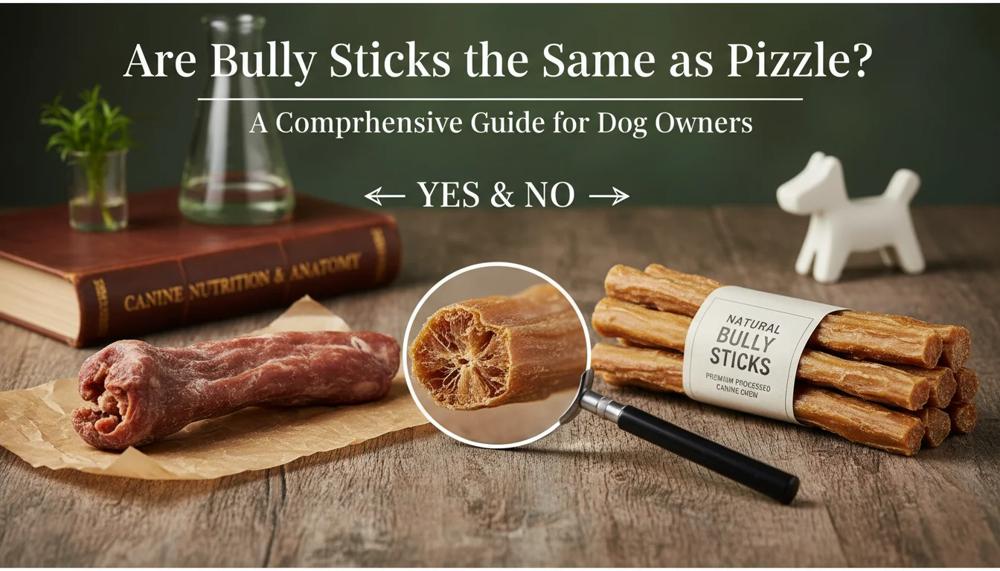
As a canine nutrition expert, I frequently receive questions about the origin, safety, and nutritional value of these chews. To provide the short answer immediately: Yes, bully sticks and pizzle are exactly the same thing. The difference lies entirely in marketing and terminology rather than the biological source or the manufacturing process.
In this comprehensive guide, we will explore why these names exist, how these chews are made, and what you need to know to keep your dog safe while enjoying them.
The Anatomy of a Name: What Is Pizzle?
To understand why we use two different names, we have to look at the anatomy of the product. "Pizzle" is an Old English word for the penis of an animal, typically a bull. When you see a product labeled as a bully stick, you are purchasing a dried, prepared bull penis.
For a deeper dive into the biological origins, you can read our detailed article on What Is Pizzle? (Bull Penis Explained for Dog Owners).
The term "bully stick" was created largely as a marketing tool to make the product more palatable to human consumers. While dogs are naturally attracted to the scent and texture of the organ meat, many pet owners are understandably squeamish about the source. Consequently, "bully stick" became the industry-standard euphemism. Regardless of the name on the packaging, Are Bully Sticks the Same as Pizzle? The answer remains a definitive yes.
How Pizzle Is Transformed into a Bully Stick
The transition from a raw byproduct of the beef industry to a shelf-stable dog chew involves a specific curing process. Understanding How Pizzle Is Made: From Farm to Dog Chew is essential for owners who prioritize food safety.
- Cleaning and Preparation: The raw material is thoroughly cleaned and stripped of any remaining fat or connective tissue.
- Stretching and Shaping: The pizzle is often stretched to reach a specific length. This is where we get the variety of shapes, such as Straight vs Curly Pizzle or the popular Braided Bully Sticks.
- Drying/Dehydration: The sticks are placed in industrial ovens or dehydrators. This process removes moisture, which prevents spoilage and hardens the stick into the durable chew dogs love.
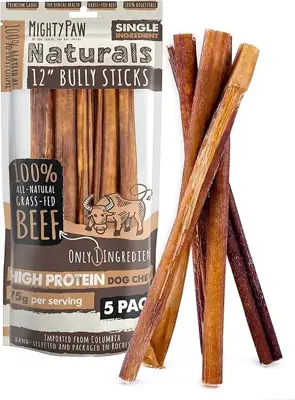
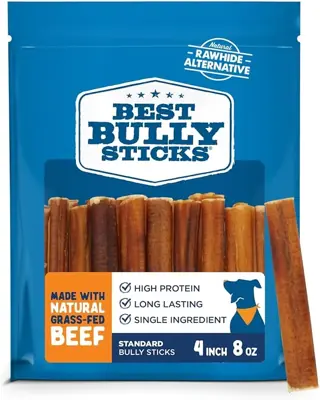
- Cutting: Finally, the long sticks are cut into standard sizes. You will typically find Standard Bully Sticks (6”, 9”, 12”) depending on the size of the dog they are intended for.
Why Dogs Crave Them: Nutrition and Instinct
It is no secret that dogs find these treats irresistible. But Why Dogs Love Pizzle So Much goes beyond just the taste. As a single-ingredient dog chew, they tap into a dog's primal urge to chew and provide a sensory experience that synthetic toys cannot match.
Nutritional Profile
From a nutritional standpoint, bully sticks are highly beneficial when used correctly. Are Bully Sticks High in Protein? Yes—they are almost entirely composed of protein and contain essential amino acids that support muscle development and coat health.
However, they are also calorie-dense. Owners should be mindful of the Calories in Pizzle Chews (By Size) to ensure they aren't inadvertently contributing to canine obesity. A general rule of thumb is to check How Many Bully Sticks Can a Dog Have Per Week? based on your dog's weight and activity level.
Digestibility
One of the primary reasons veterinarians often prefer pizzle over other options is its digestibility. Unlike rawhide, which can sit in the stomach for days and cause blockages, pizzle is a natural tissue that breaks down relatively easily. When comparing Pizzle vs Rawhide: Which Is Safer?, pizzle almost always wins due to its high solubility. You can read more about this in our analysis: Is Pizzle Digestible?.
Safety First: Precautions for Pet Owners
While bully sticks are generally considered safe, no chew is without risk. As a veterinary consultant, I advise all owners to follow these safety protocols:
1. Supervision is Mandatory
The greatest risk associated with any hard chew is the "end-piece" problem. As the stick gets smaller, a dog may attempt to swallow the remaining nub whole. This Can Pizzle Cause Choking? or lead to a gastrointestinal obstruction. To mitigate this, many owners use Best Holders to Prevent Swallowing, which grip the end of the stick so the dog cannot gulp it.
2. Choose the Right Size
A Great Dane should not be chewing on a thin 6-inch stick, and a Chihuahua should not be struggling with a "monster" thick chew. How to Choose the Right Size Pizzle for Your Dog is critical for preventing tooth fractures and choking hazards. For powerful chewers, look for Thick vs Thin Bully Sticks to find a density that matches their jaw strength.
3. Monitor for Splintering
One common concern for owners is whether these natural chews can break into sharp shards. Fortunately, because they are made of muscle tissue rather than bone, it is rare. However, it is still worth asking: Does Pizzle Splinter? Generally, they soften as the dog chews, but low-quality, over-dried sticks can occasionally break.
4. Know When to Take It Away
If you notice Signs Your Dog Is Chewing Too Much Pizzle, such as loose stools or excessive thirst, it may be time to limit their sessions. Additionally, always know What to Do If Your Dog Swallows a Large Piece to ensure a quick and safe response.
The Veterinary Perspective
Most Vet Opinions on Bully Sticks are positive, particularly regarding dental health. The mechanical action of chewing helps scrape away plaque and tartar. However, vets also caution about bacterial contamination. It is vital to choose high-quality sources, such as USA-Sourced Bully Sticks or Grass-Fed Bully Sticks, to ensure the product was processed under strict safety standards.
For those worried about the "aroma" of these treats, Odor-Free Bully Sticks: Are They Healthier? The answer is that they are processed longer to remove moisture and bacteria that cause smell, which can actually make them a cleaner choice for your home environment.
Summary and Key Takeaways
Understanding the terminology is the first step in being a responsible pet owner. Whether you call it a bully stick or pizzle, you are giving your dog a high-protein, highly digestible, and mentally stimulating treat.
- Terminology: Bully sticks and pizzle are the same product (bull penis).
- Digestibility: They are much safer and more digestible than rawhide.
- Safety: Always supervise your dog and use a holder for the last inch of the treat.
- Nutrition: They are high in protein but also high in calories; use them in moderation.
- Quality: Look for Single-Ingredient Dog Chews Explained to avoid hidden chemicals or preservatives.
- Storage: To keep them fresh, learn How to Store Bully Sticks Properly and check Do Bully Sticks Go Bad? before serving.
By choosing the right size and quality, you can provide your dog with a safe and satisfying chewing experience that supports their overall well-being.