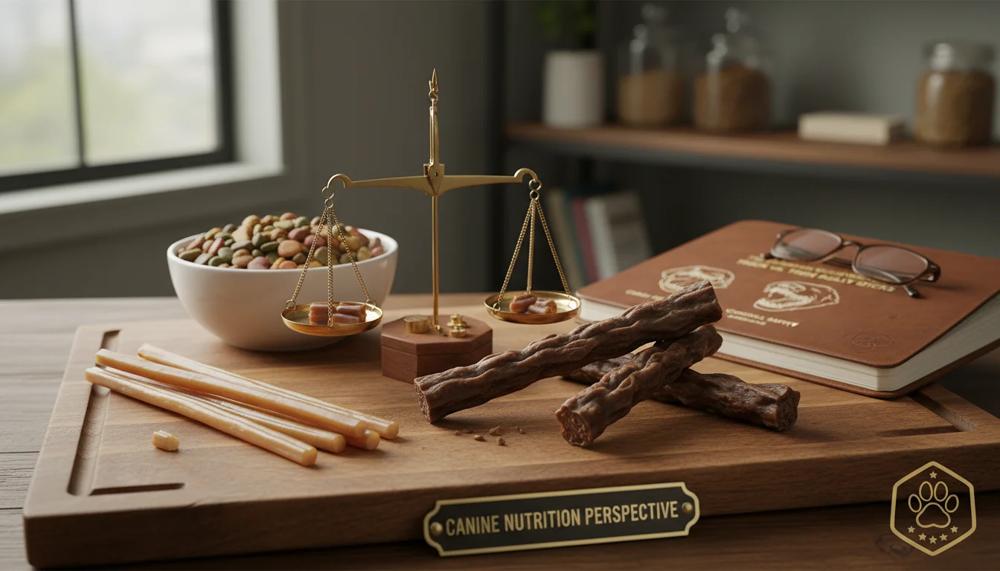
Thick vs Thin Bully Sticks: A Comprehensive Guide for Dog Owners
As a canine nutrition expert, I often find that dog owners spend a significant amount of time researching the best kibble or raw diet, yet they overlook the nuances of the treats they provide daily. Bully sticks—also known as pizzle—have become a gold standard in the pet industry due to their high protein content and digestibility. However, not all bully sticks are created equal.
One of the most frequent questions I receive in a clinical setting is: "Should I buy thick or thin bully sticks for my dog?" While the answer may seem like a simple matter of preference, the choice actually involves considerations of dental health, caloric intake, and safety. In this article, we will break down the differences between Thick Bully Sticks and their thinner counterparts to help you make an informed decision.
Understanding the Anatomy of a Bully Stick
Before we compare sizes, it is helpful to understand what these treats actually are. What Is Pizzle? It is a single-ingredient chew made from the high-protein muscle of a bull. Because it is a natural byproduct, the thickness of the stick depends on the age and breed of the bull, as well as the specific part of the muscle used.
How Pizzle Is Made involves cleaning, stretching, and slow-drying the muscle. The drying process is critical; it preserves the treat without the need for artificial chemicals. Whether a stick ends up "thin" or "thick" is largely determined during the sorting process after the drying is complete.
Thin Bully Sticks: Best for Light Chewers and Small Breeds
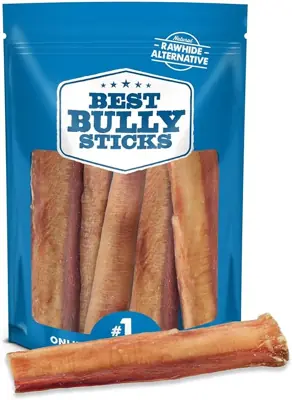
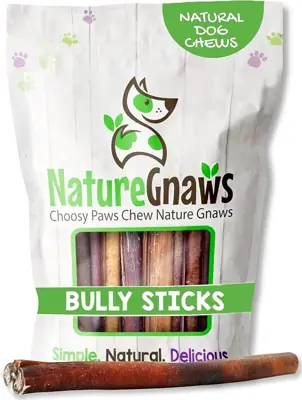
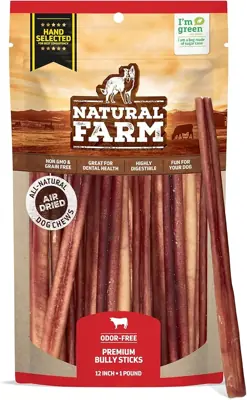
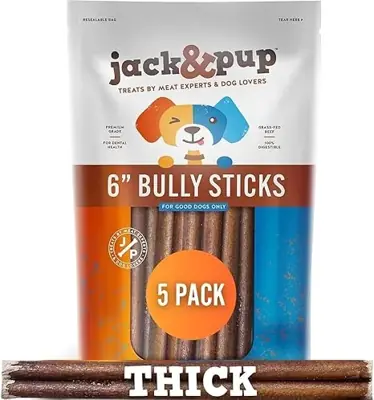
Thin bully sticks are typically about the diameter of a pencil or a slim marker. While they may look less impressive than their thicker counterparts, they serve a very specific purpose in a dog’s snack rotation.
1. Caloric Management
For smaller dogs, even a healthy treat can lead to weight gain if the portion size is too large. Calories in Pizzle Chews (By Size) vary significantly. A thin stick provides the same Single-Ingredient Dog Chews Explained benefits but with a much lower caloric load, making it easier to stick to the "10% rule" (where treats should not exceed 10% of a dog's daily calories).
2. Puppies and Seniors
Thin sticks are often the Best Bully Sticks for Small Dogs and are generally the answer to Are Pizzle Chews Safe for Puppies?. Puppies have deciduous (baby) teeth that are sharp but brittle, and seniors may have compromised dental integrity. A thin stick allows these dogs to enjoy the mechanical scraping action that cleans teeth without requiring the intense jaw pressure needed for a thicker chew.
Thick Bully Sticks: The Solution for Power Chewers
If you own a Labrador, a German Shepherd, or a Pit Bull, you know that a thin treat can disappear in seconds. This is where Thick Bully Sticks become essential.
1. Durability and Engagement
The primary "Why" behind choosing a thick stick is longevity. How Long Does a Bully Stick Last? depends heavily on the density of the product. A thick stick is much harder for a dog to "shear" through. Instead, they must use their back molars to grind the end of the stick down, softening it with saliva before small pieces can be rasped away. This provides mental stimulation and helps alleviate boredom.
2. High Protein Content
Because they contain more mass, thick sticks are exceptionally high in protein. Are Bully Sticks High in Protein? Yes, they are almost entirely amino acids. For an active, large-breed dog, a thick bully stick is a functional snack that supports muscle maintenance while they chew.
Detailed Comparison: How to Choose
When deciding between the two, consider these three factors:
Jaw Strength vs. Size
It is a common mistake to choose a stick based solely on the dog's weight. Instead, evaluate their "chew style." An "aggressive chewer" requires the Best Bully Sticks for Large / Aggressive Chewers, which are almost always the thickest varieties. Conversely, a large dog who is a "gentle nibbler" might actually prefer a thinner stick that they can manage more easily.
Dental Health Goals
Chewing is nature's toothbrush. Both sizes offer dental benefits, but a thick stick requires more "work," which translates to more friction against the gum line. This helps reduce plaque and tartar buildup. However, if a stick is too thick and hard for a dog's mouth size, they may lose interest or, in rare cases, risk a tooth fracture. How to Choose the Right Size Pizzle for Your Dog is a vital skill for every owner.
Cost-Effectiveness
While thick bully sticks have a higher upfront cost, they often provide better value. If a thin stick lasts five minutes and a thick stick lasts forty minutes, the thick stick is the more economical choice for your dog's enrichment time. Many owners find that Best Value Bulk Bully Stick Packs allow them to stock up on the appropriate thickness for their specific pet.
Safety Tips and Precautions
Regardless of whether you choose thick or thin, safety should always be your priority.
- Supervision is Mandatory: Never leave your dog alone with a chew. As the stick gets smaller, it can become a "nub" that poses a risk. Can Pizzle Cause Choking? is a real concern if a dog tries to swallow the last inch whole.
- Use a Holder: To mitigate the risk of swallowing the end, I highly recommend using the Best Holders to Prevent Swallowing. These devices grip the end of the stick so your dog cannot gulp it down.
- Know the Signs of Over-Chewing: If you notice your dog's gums are bleeding excessively or they seem frustrated, it may be time to take the treat away. Watch for Signs Your Dog Is Chewing Too Much Pizzle.
- Hydration: Bully sticks are dry and high in protein. Always ensure your dog has access to fresh water during and after a chewing session.
Veterinary Consensus
From a clinical perspective, Vet Opinions on Bully Sticks are generally very positive, especially when compared to alternatives like rawhide. Pizzle vs Rawhide: Which Is Safer? is a common debate; vets prefer pizzle because Is Pizzle Digestible? Unlike rawhide, which can swell and cause blockages in the intestines, bully sticks break down completely in the digestive tract.
Vets do caution, however, about the "end-of-stick" hazard. If you are ever in a situation where your dog gulps the last bit, it is important to know What to Do If Your Dog Swallows a Large Piece.
Summary and Key Takeaways
Choosing between thick and thin bully sticks doesn't have to be a guessing game. By matching the thickness to your dog’s size, chew style, and caloric needs, you can provide a safe and rewarding experience.
- Thin Bully Sticks are ideal for small breeds, puppies, seniors, and dogs on a calorie-restricted diet.
- Thick Bully Sticks are the best choice for large breeds and aggressive chewers who need a long-lasting challenge.
- Safety First: Always supervise your dog and use a safety holder to prevent choking.
- Quality Matters: Look for High-Quality Pizzle that is free from chemicals and hormones.
- Digestibility: Both sizes are 100% digestible and a safer alternative to rawhide.
By understanding the "Why" and "How" behind these treats, you are taking a proactive step in your dog's nutritional health and overall well-being. Whether it's a quick thin snack or a long-lasting thick chew, your dog will surely thank you for the effort.