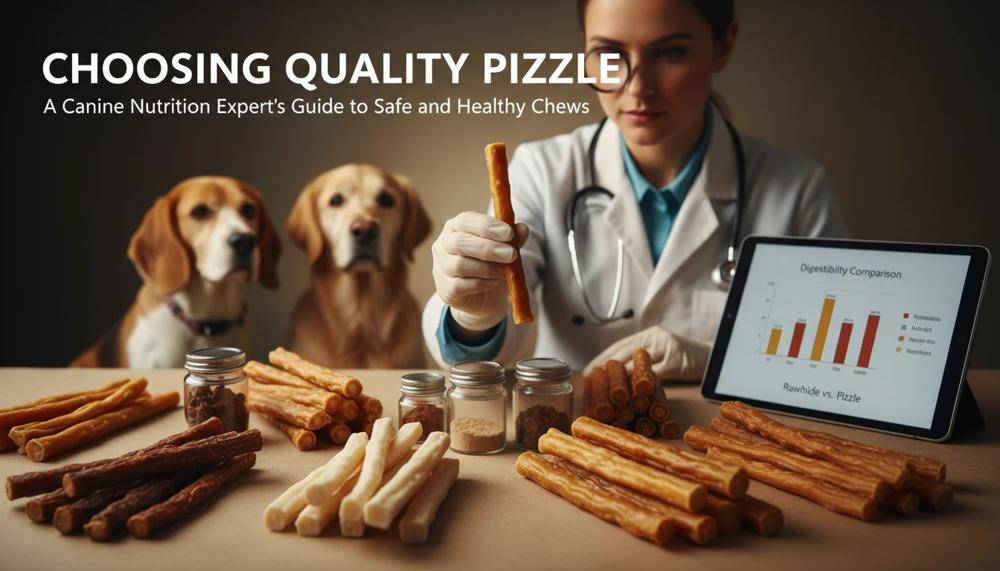
How to Choose High-Quality Pizzle: A Comprehensive Guide for Dog Owners
As a canine nutrition expert, I am frequently asked by pet parents how to navigate the saturated market of natural dog treats. Among the most popular—and often misunderstood—options is pizzle. While many owners know them by the common name "bully sticks," understanding the nuances of quality is essential for your dog’s health and safety.
Choosing a high-quality chew is more than just finding a treat your dog enjoys; it involves evaluating sourcing, manufacturing processes, and nutritional profiles. In this guide, we will explore how to identify premium pizzle and why your selection matters.
Understanding the Product: What Exactly is High-Quality Pizzle?
Before selecting a treat, it is important to understand the terminology. If you are new to this category, you may want to read What Is Pizzle? (Bull Penis Explained for Dog Owners). In the pet industry, the terms are often used interchangeably, so you should also clarify if Are Bully Sticks the Same as Pizzle? (the answer is yes).
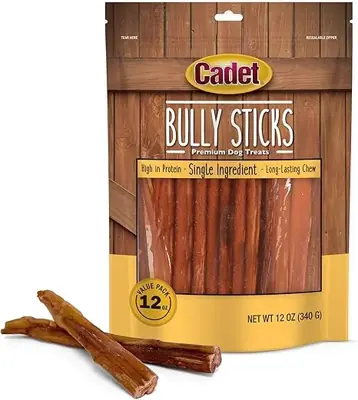
High-quality pizzle is a single-ingredient chew derived from 100% beef muscle. Unlike highly processed alternatives, premium pizzle should undergo minimal intervention between the farm and your dog’s bowl.
The Criteria for Quality: What to Look For
When evaluating pizzle, there are four primary pillars of quality: sourcing, processing, physical characteristics, and safety standards.
1. Sourcing and Origin
The quality of the chew begins with the quality of the cattle. I always recommend looking for products sourced from reputable regions with strict agricultural standards. * Grass-Fed vs. Grain-Fed: There is a significant difference in nutrient density and chemical exposure. Grass-Fed vs Grain-Fed Pizzle often yields a leaner, cleaner product. * Geographic Origin: USA-Sourced Bully Sticks or those from South America (like Brazil or Argentina) are generally held to high safety standards regarding livestock health.
2. Processing Methods
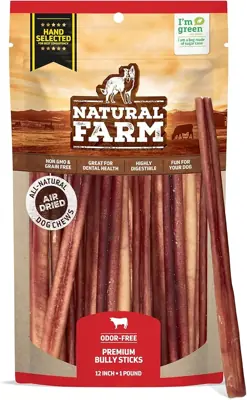
How Pizzle Is Made: From Farm to Dog Chew determines the safety and longevity of the treat. High-quality manufacturers use a slow-roasting or oven-drying process. This method effectively kills bacteria like Salmonella or E. coli while preserving the natural proteins. * Avoid Chemicals: You must ensure the product is free from bleaches, formaldehyde, or artificial preservatives. To understand why this is vital, read Does Pizzle Contain Hormones or Chemicals?. * Odor Levels: While some owners prefer Odor-Free Bully Sticks, it is important to know how that odor is removed. High-quality odor-free sticks are dried longer to reduce moisture (the source of the smell), whereas low-quality ones may use chemical washes. Learn more about whether Odor-Free Bully Sticks: Are They Healthier? before making your choice.
3. Physical Characteristics
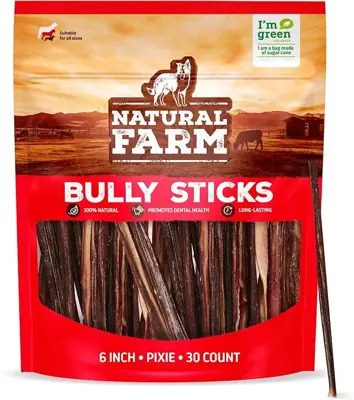
A high-quality pizzle should be dense and heavy for its size. If a stick feels light or "airy," it likely has a high moisture content or was harvested from younger, less developed cattle, meaning it won't last as long. * Thickness: Choosing between Thick vs Thin Bully Sticks depends on your dog's size and jaw strength. * Consistency: Avoid sticks that appear "shredded" or have a greyish tint, which can be signs of improper drying or age.
Why Quality Matters: Health and Nutrition
From a nutritional perspective, pizzle is an excellent source of protein and amino acids. However, the caloric density can vary. High-quality sticks provide a clean protein boost without the fillers found in "dental chews." For owners monitoring their dog's weight, it is helpful to review the Calories in Pizzle Chews (By Size).
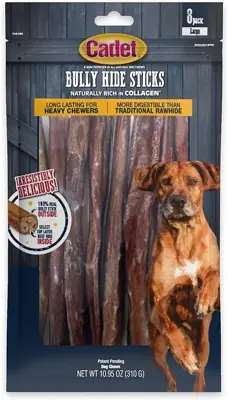
Furthermore, the primary benefit of high-quality pizzle is its digestibility. Unlike rawhide, which can sit in the stomach for days, pizzle is a natural tissue. When people ask Is Pizzle Digestible?, the answer is a resounding yes, provided it is sourced and prepared correctly. This makes it a superior choice when comparing Pizzle vs Rawhide: Which Is Safer?.
Safety First: How to Feed Pizzle Safely
No matter how high the quality, any chew requires responsible ownership. Safety is the cornerstone of canine nutrition.
Supervision and "The Nub"
The most significant risk associated with any hard chew is the "end-of-stick" gulp. When a dog chews a stick down to a small piece, they may attempt to swallow it whole. Can Pizzle Cause Choking? Yes, if not monitored. I highly recommend using Best Holders to Prevent Swallowing to secure the end of the chew.
Sizing for Your Dog
Choosing the wrong size can lead to dental fractures or digestive upset. If you have a large breed, you should specifically look for the Best Bully Sticks for Large / Aggressive Chewers. Conversely, small breeds require more delicate options. Reference our guide on How to Choose the Right Size Pizzle for Your Dog for specific measurements.
Bacterial Safety
Because pizzle is an animal byproduct, hygiene is paramount. Always wash your hands after handling the treats and store them in a cool, dry place. If you've bought in bulk, knowing How to Store Bully Sticks Properly will prevent mold and rancidity.
Veterinary Consensus
Most veterinarians agree that pizzle is a safe, healthy alternative to synthetic chews, provided they are fed in moderation. Vets often praise the mechanical action of chewing pizzle for its ability to scrape away plaque and tartar. However, professionals also warn about the "hidden" calories. You can read a deeper dive into Vet Opinions on Bully Sticks to see how they fit into a clinical health plan.
Summary: Key Takeaways for Choosing High-Quality Pizzle
To ensure you are giving your dog the best possible treat, keep these points in mind:
- Look for Single Ingredients: The label should only list "bull pizzle" or "beef muscle." Avoid anything with added flavors or preservatives.
- Check the Origin: Prioritize USA-Sourced Bully Sticks or grass-fed options from reputable regions.
- Evaluate the Smell: A natural musk is normal, but a chemical "bleach" smell is a red flag. Odor-Free Bully Sticks are fine if they are made through extended drying.
- Density is Key: A heavier, denser stick provides a longer-lasting chew and better value.
- Safety is Non-Negotiable: Always supervise your dog, provide plenty of fresh water, and remove the "nub" when it becomes small enough to swallow.
- Know Your Source: Learn How to Spot Low-Quality or Fake Pizzle to avoid products that use fillers or non-digestible materials.
By following these guidelines, you can provide your dog with a treat that is not only delicious but also contributes to their overall dental health and mental well-being. High-quality pizzle is an investment in your dog’s health, offering a safe, natural outlet for their instinctual urge to chew.