How to Spot Low-Quality or Fake Pizzle
As the demand for natural, long-lasting dog chews has skyrocketed, the market has become increasingly saturated with products labeled as "bully sticks" or "pizzle." While these are generally considered some of the best treats for dental health and mental stimulation, not every stick on the shelf is created equal. For a discerning dog owner, understanding the difference between a premium, safe chew and a low-quality or "fake" imitation is critical for your dog’s health.
In this guide, we will analyze the red flags of inferior products, the manufacturing shortcuts that compromise safety, and how to ensure you are providing a truly Single-Ingredient Dog Chews Explained experience for your pet.
Understanding the "Fake" Pizzle Phenomenon
To spot a fake, we must first define the real thing. [What Is Pizzle? (Bull Penis Explained for Dog Owners)](what-is-pizzle-(bull-penis-explained-for-dog-owner.html) is a 100% natural bovine muscle. Because it is a high-demand byproduct, some manufacturers attempt to lower costs by creating "composite" sticks.
"Fake" pizzle often refers to chews that are marketed as bully sticks but are actually made of ground-up rawhide, meat byproducts, and binding agents (glues) shaped into a cylinder. These are significantly less digestible and can pose serious health risks. In other cases, brands may sell "bully-coated" rawhide. This is particularly dangerous because the outer layer smells like pizzle, but the core is indigestible rawhide. When comparing Pizzle vs Rawhide: Which Is Safer?, real pizzle is always the superior choice for digestive safety.
Visual and Physical Red Flags
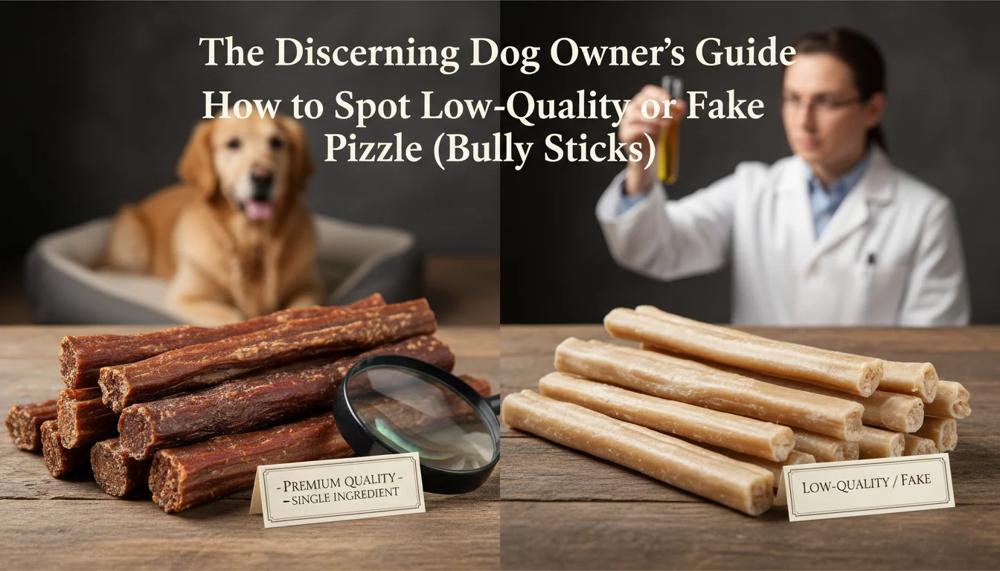
When evaluating a chew, use your senses to determine the quality. High-quality pizzle should be a solid piece of muscle meat, not a processed "fruit leather" consistency.
1. Consistency and Density
A high-quality bully stick should be dense and heavy for its size. If a stick feels unusually light or "airy," it may have been over-dried or sourced from malnourished cattle. Furthermore, look at the ends of the chew. You should see a solid, fibrous cross-section. If the center looks porous or like a rolled-up sheet of paper, it is likely a composite or rawhide-based imitation. Thick vs Thin Bully Sticks both have their place, but both should feel solid.
2. Color and Transparency
Natural pizzle ranges from deep tan to rich brown. If a stick is extremely pale or white, it has likely been treated with chemicals or bleach to remove odors or hide imperfections. Conversely, if the stick is unnaturally dark or "charred" looking, it may have been cooked at too high a temperature, which can make the protein brittle and prone to breaking. While we often wonder Does Pizzle Splinter?, the answer is generally no—unless the chew has been over-processed and "baked" into a glass-like state.
3. The "Snap" Test
Real pizzle is comprised of dense collagen fibers. It should have a slight "give" when under extreme pressure but should not snap like a dry cracker. If you can easily break a bully stick in half with your hands, it is either extremely low quality or not real pizzle.
Manufacturing and Sourcing Warning Signs
How Pizzle Is Made: From Farm to Dog Chew involves a process of cleaning, stretching, and slow-drying. Low-quality brands skip steps to increase profit margins.
Chemical Treatments
The most common issue with low-quality pizzle is the use of chemicals to mask the natural scent. While many owners prefer Odor-Free Bully Sticks: Are They Healthier?, you must ensure the odor was removed via a thorough "shaving" and drying process rather than chemical baths. Always check if the manufacturer explicitly states their products are free from formaldehyde, bleach, and artificial preservatives. For more on this, see Does Pizzle Contain Hormones or Chemicals?.
Sourcing Origin
Vets generally recommend sourcing treats from regions with strict agricultural standards. USA-Sourced Bully Sticks and those from South America (like Brazil or Argentina) are typically held to higher safety protocols than those from countries with laxer regulations. Poor sourcing often leads to a higher risk of bacterial contamination, such as Salmonella or Listeria.
The Veterinary Perspective on Quality
From a veterinary standpoint, the primary concern with low-quality pizzle is twofold: digestibility and caloric density.
Vet Opinions on Bully Sticks are generally positive because real pizzle is 100% protein and highly digestible. However, "fake" or low-quality sticks often contain fillers that can cause gastrointestinal distress, vomiting, or blockages. If you notice Signs Your Dog Is Chewing Too Much Pizzle, such as loose stools, it might be the quantity, but it could also be the quality of the fats and proteins in an inferior stick.
Additionally, Calories in Pizzle Chews (By Size) can vary. Low-quality sticks may have higher fat content if they weren't properly trimmed, leading to weight gain or even pancreatitis in sensitive dogs.
Safety Tips for Every Chew Session
Regardless of the quality, safety should always be your priority. Even the best Grass-Fed vs Grain-Fed Pizzle can become a hazard if not managed correctly.
- Supervision is Mandatory: Never leave your dog alone with a chew.
- The "Stub" Rule: Once the stick is small enough to fit entirely inside your dog's mouth, take it away. This prevents the risk of them trying to swallow it whole.
- Fresh Water: Pizzle is high in protein and can be salty. Always provide plenty of fresh water to aid digestion.
- Size Matters: How to Choose the Right Size Pizzle for Your Dog is essential; a stick that is too small for a large dog is an immediate choking hazard.
- Know the Risks: Understand Can Pizzle Cause Choking? and familiarize yourself with What to Do If Your Dog Swallows a Large Piece.
Summary: How to Identify High-Quality Pizzle
To ensure you are getting the best value and the safest product, keep these key takeaways in mind:
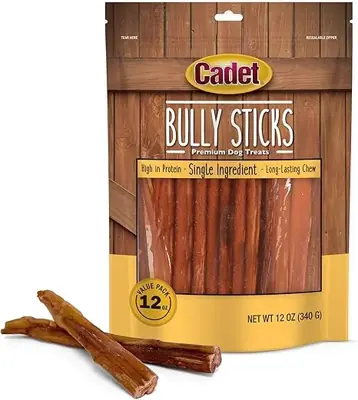
- Check the Ingredient Label: It should list only one ingredient: bull pizzle (or beef pizzle). If you see "meat byproducts," "flavoring," or "sorbitol," put it back.
- Avoid "White" Sticks: Natural pizzle is brown. White or grey sticks have likely been bleached.
- Density is Key: Real pizzle is heavy and hard to bend. Avoid "puffy" or light-weight sticks.
- Smell Matters: While "low-odor" is fine, a stick that smells strongly of chemicals (like chlorine or medicine) is a major red flag.
- Verify the Source: Look for transparency regarding where the cattle were raised.
- Price Awareness: While we all love Best Value Bulk Bully Stick Packs, prices that seem "too good to be true" often indicate a composite or chemically-treated product.
By learning How to Choose High-Quality Pizzle, you aren't just buying a treat; you are investing in your dog's long-term health and safety. Always prioritize quality over quantity to keep your canine companion happy and healthy.