.jpg)
Calories in Pizzle Chews (By Size): A Guide for Health-Conscious Dog Owners
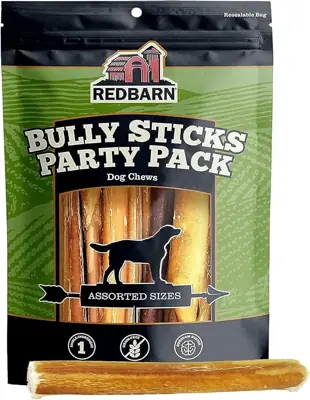
As a canine nutrition expert, I frequently encounter owners who are diligent about measuring their dog’s kibble to the gram but overlook the caloric impact of treats and chews. Pizzle chews—often referred to as bully sticks—are among the most popular natural chews on the market. While they offer significant dental and psychological benefits, they are also surprisingly calorie-dense.
Understanding the caloric content of these treats is essential for maintaining your dog’s ideal body condition and preventing the long-term health risks associated with canine obesity. In this guide, we will break down the nutritional profile of pizzle by size and density to help you make informed decisions for your pet.
What is the Nutritional Profile of Pizzle?
Before looking at specific sizes, it is important to understand what a pizzle chew actually is. If you are unfamiliar with the source, you may want to read [What Is Pizzle? (Bull Penis Explained for Dog Owners)](what-is-pizzle-(bull-penis-explained-for-dog-owner.html). Essentially, it is a Single-Ingredient Dog Chews Explained product made from 100% bull muscle.
Because it is pure muscle tissue, pizzle is remarkably high in protein. You can learn more about this in our analysis of Are Bully Sticks High in Protein?. On average, a pizzle chew consists of roughly 80% protein and 1% to 5% fat. However, because the tissue is highly concentrated during the dehydration process, the calories are condensed.
Calories in Pizzle Chews by Size
The caloric content of a pizzle chew is primarily determined by its weight, which is a factor of both length and thickness. While individual brands vary based on How Pizzle Is Made: From Farm to Dog Chew, we can provide general veterinary-accepted averages.
Standard 6-Inch Pizzle Chews
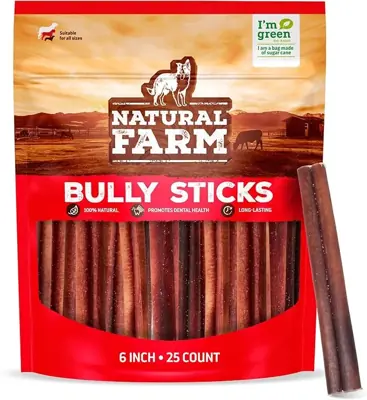
The 6-inch variety is the most common size for small to medium-sized dogs. * Average Calories: 80 to 100 calories per chew. * Context: For a 10-pound dog with a daily requirement of roughly 300-350 calories, one 6-inch stick represents nearly 30% of their total daily caloric intake.
Standard 12-Inch Pizzle Chews
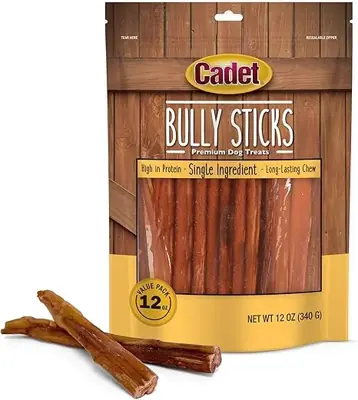
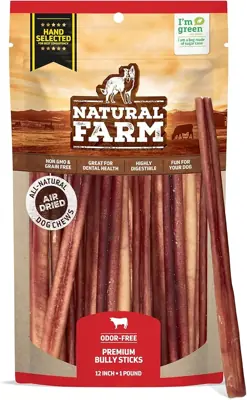
Often used for larger breeds, the 12-inch stick is effectively double the mass of the 6-inch version. * Average Calories: 160 to 200 calories per chew. * Context: For a 50-pound dog requiring about 1,000 calories a day, this is roughly 15-20% of their daily allowance.
Thick and Jumbo Variations
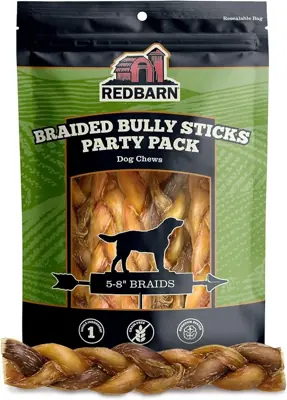
Many owners opt for Thick vs Thin Bully Sticks to provide a longer-lasting chew. However, "thick" or "jumbo" sticks contain significantly more muscle mass. * Thick 6-Inch: 120 to 150 calories. * Thick 12-Inch: 250 to 300+ calories. * Braided Sticks: Since these consist of three sticks intertwined, a 6-inch braided stick can contain 240 to 300 calories. (See: Braided Bully Sticks: Are They Worth It?)
The 10% Rule in Canine Nutrition
In veterinary nutrition, we recommend that "extras"—treats, chews, and table scraps—should make up no more than 10% of a dog’s total daily caloric intake. This ensures that the dog receives a balanced diet from their primary life-stage-appropriate food without excess calories.
If you have a small dog, even a "thin" 6-inch pizzle may exceed their 10% daily limit. In these cases, it is vital to monitor How Many Bully Sticks Can a Dog Have Per Week? and adjust their primary meal portions accordingly on days they enjoy a chew.
Why Do Calories Vary Between Brands?
Not all pizzle is created equal. The caloric density can be affected by the preparation method. For instance, Odor-Free Bully Sticks: Are They Healthier? often undergo longer drying processes or additional rinsing, which can slightly alter the moisture content, though the caloric impact remains similar to standard versions.
Additionally, Grass-Fed vs Grain-Fed Pizzle may have slight variations in fat content. Grass-fed cattle typically produce leaner muscle tissue, which may result in a slightly lower calorie count compared to grain-finished cattle, though the difference is usually negligible for the average pet.
Veterinary Consensus on Pizzle Chews
Most veterinarians view pizzle chews as a superior alternative to other treats. When looking at Pizzle vs Rawhide: Which Is Safer?, vets prefer pizzle because Is Pizzle Digestible? (it is nearly 100% digestible), whereas rawhide can cause dangerous obstructions.
However, Vet Opinions on Bully Sticks often highlight two main concerns: caloric density and bacterial contamination. To mitigate these risks, always source high-quality products and wash your hands after handling the chews.
Safety Tips for Feeding Pizzle Chews
While focusing on calories is important for long-term health, immediate safety is paramount.
- Supervision is Mandatory: Never leave your dog unattended with a chew. As the stick wears down, it can become a "nub" that poses a risk. Can Pizzle Cause Choking? Yes, if the end piece is swallowed whole.
- Use a Holder: To prevent your dog from swallowing the last inch, consider using Best Holders to Prevent Swallowing.
- Fresh Water: Because pizzle is a high-protein, dehydrated product, it can make dogs thirsty. Ensure a bowl of fresh water is always available.
- Know When to Take it Away: If you notice Signs Your Dog Is Chewing Too Much Pizzle, such as loose stools or lethargy from over-consumption, remove the chew and consult your vet.
- Size Matters: Always How to Choose the Right Size Pizzle for Your Dog to ensure it is large enough that they cannot fit the entire stick in their mouth at once.
Summary and Key Takeaways
Pizzle chews are an excellent, high-protein, natural snack, but they are not "calorie-free" air. To keep your dog healthy and at a fit weight, keep these points in mind:
- Standard 6-inch sticks average 90 calories; 12-inch sticks average 180 calories.
- Thick or Braided versions can double or triple the caloric load.
- Follow the 10% rule: Treats should not exceed 10% of daily calories.
- Adjust meal sizes: If your dog finishes a whole pizzle in one sitting, consider reducing their dinner portion slightly.
- Prioritize Safety: Always supervise chewing and use holders to prevent What to Do If Your Dog Swallows a Large Piece.
By being mindful of the calories in these treats, you can continue to provide your dog with the joy of chewing while protecting their long-term health and mobility.