Single-Ingredient Dog Chews Explained
As a canine nutrition expert, I frequently consult with pet owners who are overwhelmed by the complex, often undecipherable ingredient labels found on commercial dog treats. In an era where "ultra-processed" has become a buzzword of concern, many are turning toward single-ingredient dog chews. These products represent the pinnacle of transparency in pet nutrition: they are exactly what they claim to be, with no hidden fillers, artificial preservatives, or chemical binders.
Understanding the nuances of these chews—how they are made, their nutritional profile, and their safety implications—is essential for any owner committed to a high-quality canine diet.
What Are Single-Ingredient Dog Chews?
By definition, a single-ingredient chew consists of one biological component, typically animal-sourced, that has been preserved through dehydration, air-drying, or freeze-drying. Unlike traditional "biscuits" or "rawhide," which often involve complex manufacturing processes and chemical additives, these chews retain their natural structure and nutrient density.
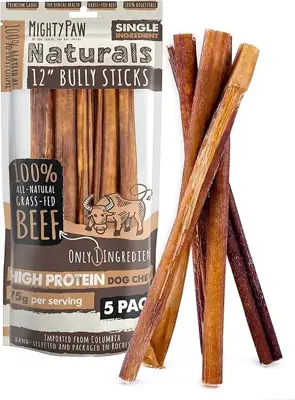
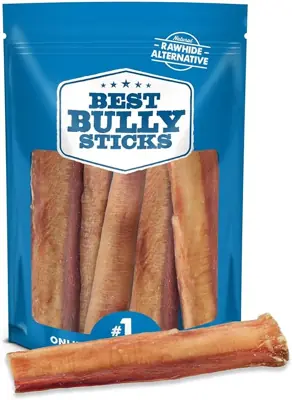
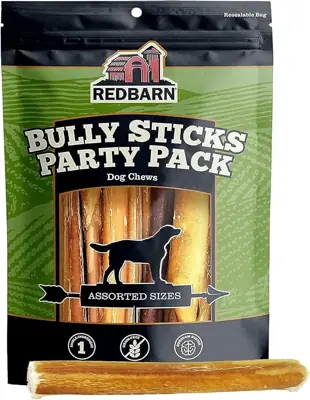
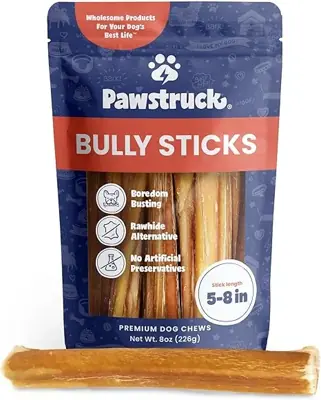
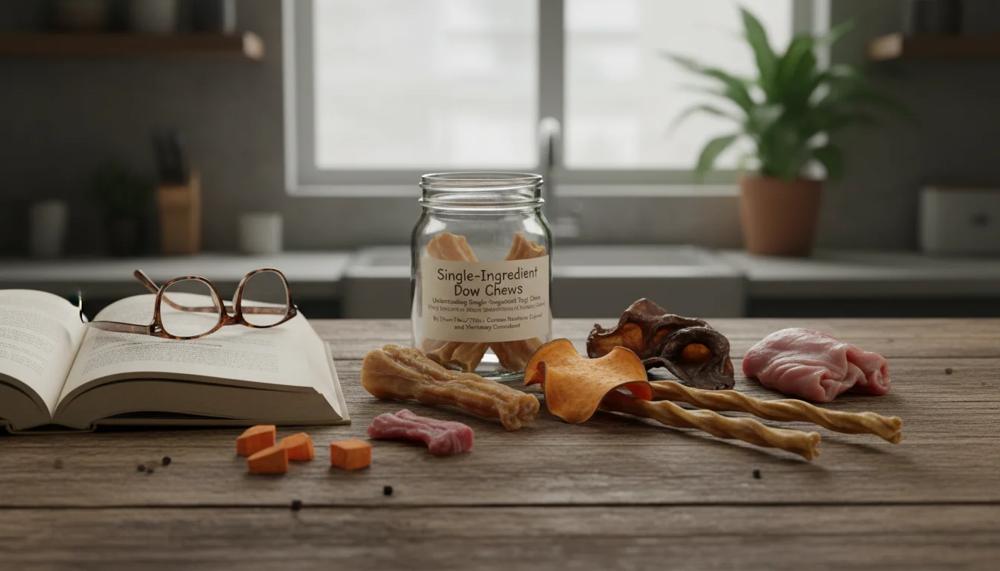
Common examples include: * Beef Pizzle (often referred to as Bully Sticks) * Beef Tendons * Animal Ears (Pig, Lamb, or Cow) * Trachea * Fish Skins
When you look at a product like What Is Pizzle? (Bull Penis Explained for Dog Owners), you are looking at a 100% natural muscle that has been cleaned and dried. This simplicity is the primary draw for health-conscious owners.
The Detailed Analysis: Why Single-Ingredient?
The shift toward single-ingredient options is driven by three main factors: digestibility, nutritional integrity, and dental health.
1. Superior Digestibility
One of the most significant advantages of single-ingredient chews is how the canine body processes them. Many commercial chews use synthetic binders or rawhide, which can be difficult for the stomach to break down. In contrast, Is Pizzle Digestible? The answer is a resounding yes. Because these are composed of natural animal tissue (protein and collagen), they are broken down effectively by gastric enzymes, significantly reducing the risk of gastrointestinal blockage compared to synthetic alternatives.
2. High Nutritional Bioavailability
Single-ingredient chews are not "empty calories." They often provide a concentrated source of protein and essential amino acids. For instance, Are Bully Sticks High in Protein? Yes, they typically consist of 80% or more protein. Furthermore, because the drying process is often done at low temperatures, the natural nutrients remain intact. Owners can also choose specific chews based on the source; for example, Grass-Fed vs Grain-Fed Pizzle can impact the Omega-3 to Omega-6 fatty acid ratio of the treat.
3. Mechanical Dental Cleaning
Chewing is a natural instinct for dogs, and single-ingredient chews provide the necessary resistance to aid in dental hygiene. As the dog gnaws, the fibrous texture of the chew acts as a natural toothbrush, providing mechanical abrasion against the tooth surface. This helps to scrape away plaque and tartar before it can calcify. This is why many owners prefer Pizzle vs Tendons or Pizzle vs Collagen Chews for long-term dental maintenance.
How Single-Ingredient Chews Are Made
The quality of a single-ingredient chew is determined almost entirely by the "from farm to bowl" process. To maintain safety and nutritional value, high-quality manufacturers follow a strict protocol. You can learn more about this in How Pizzle Is Made: From Farm to Dog Chew.
Generally, the process involves: 1. Sourcing: Selecting high-quality raw materials from inspected facilities. 2. Cleaning: Thoroughly washing the animal parts to remove bacteria. 3. Slow Drying: Using ovens or dehydrators to remove moisture. This step is crucial; if the moisture content isn't low enough, the product can spoil. 4. Testing: Reputable brands test for pathogens like Salmonella or E. coli.
Owners often ask, Does Pizzle Contain Hormones or Chemicals? In high-quality, single-ingredient products, the answer should be no. The drying process itself acts as the preservative, eliminating the need for artificial chemicals.
Safety Precautions and Supervision
While single-ingredient chews are generally safer than many alternatives, they are not without risk. As a veterinary consultant, I always emphasize that safety is a matter of management.
- Supervision is Mandatory: Never leave your dog alone with a chew. As the chew gets smaller, it can become a choking hazard. Can Pizzle Cause Choking? Yes, if the dog attempts to swallow the "nub" or end piece.
- Size Matters: You must match the chew to the dog's size and chewing style. How to Choose the Right Size Pizzle for Your Dog is a critical step in preventing accidents. For those with powerful chewers, Best Bully Sticks for Large / Aggressive Chewers provide the necessary durability.
- Use Safety Devices: To prevent the accidental ingestion of the final inch of a chew, consider using Best Holders to Prevent Swallowing.
- Fresh Water: High-protein chews can be dehydrating. Always ensure your dog has access to fresh water during and after a chewing session.
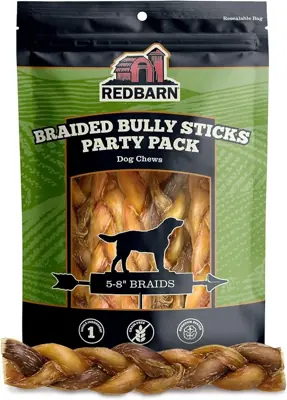
- Know Your Dog: If your dog is a "gulper" rather than a "chewer," you may need to reconsider the type of chew you provide or opt for Braided Bully Sticks: Are They Worth It? for added texture and safety.
Veterinary Consensus
The general Vet Opinions on Bully Sticks and other single-ingredient chews are overwhelmingly positive, especially when compared to rawhide. In the debate of Pizzle vs Rawhide: Which Is Safer?, vets almost always recommend the former due to its superior digestibility.
However, veterinarians do raise two primary concerns: 1. Bacterial Contamination: Because these are animal products, there is a risk of bacteria if not handled properly. Always wash your hands after handling any natural chew. 2. Caloric Density: These are not calorie-free. Owners must account for the Calories in Pizzle Chews (By Size) to avoid weight gain. A good rule of thumb is found in How Many Bully Sticks Can a Dog Have Per Week?.
Summary and Key Takeaways
Single-ingredient dog chews offer a transparent, nutritious, and highly palatable alternative to processed treats. By choosing "one-ingredient" items, you eliminate the guesswork and provide your dog with a chew that supports their biological needs.
- Transparency: You know exactly what your dog is eating.
- High Protein: Excellent for muscle maintenance, but watch the total calorie count.
- Digestible: Significantly lower risk of GI blockage compared to rawhide.
- Dental Health: Provides natural mechanical cleaning of teeth and gums.
- Safety First: Always supervise, choose the correct size, and know what to do if your dog swallows a large piece.
By understanding the "why" and "how" behind these treats, you can make an informed decision that enhances your dog's health and happiness. For more information on specific types, explore our guide on Natural Dog Chews Compared.