Pizzle vs. Collagen Chews: A Canine Nutritionist’s Guide to Choosing the Best Natural Chew
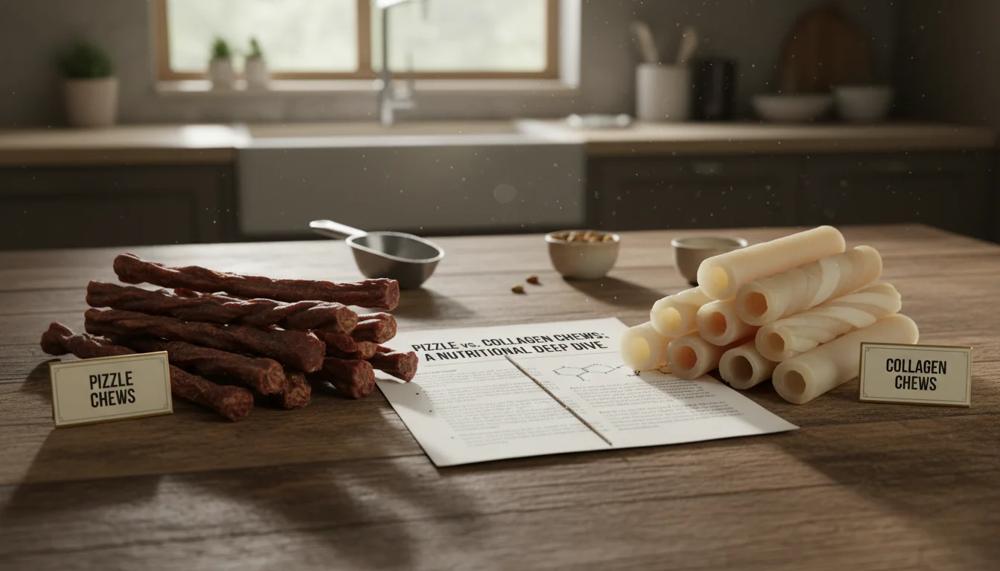
As dog owners move away from processed treats and synthetic "bones," the market for natural, single-ingredient dog chews explained has exploded. Two of the most popular contenders in this space are pizzle (commonly known as bully sticks) and collagen chews.
While both offer significant benefits over traditional rawhide, they serve different nutritional and behavioral purposes. As a canine nutrition expert, I often see owners confused about which one is "better." The truth is that the "best" chew depends on your dog’s age, chewing style, and dietary requirements. In this guide, we will break down the science, safety, and nutritional profiles of pizzle vs collagen chews.
What is Pizzle? (The High-Protein Standard)
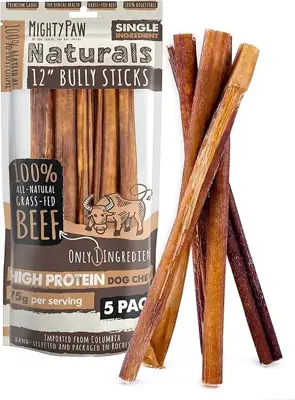
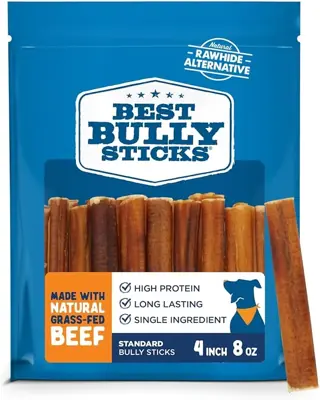
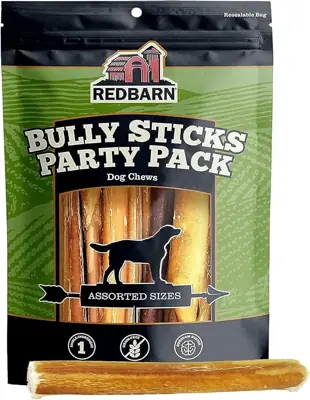
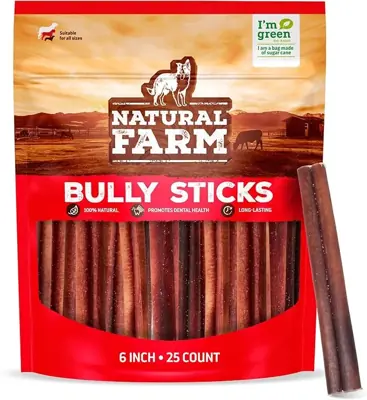
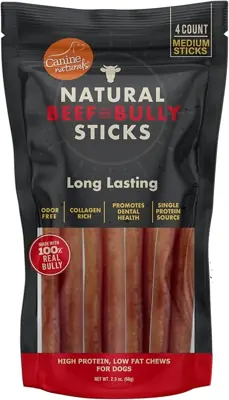
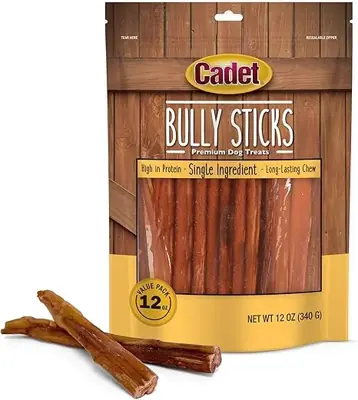
To understand the comparison, we must first define the source. What Is Pizzle? (Bull Penis Explained for Dog Owners) is essentially the muscle tissue of a bull. Because it is a pure muscle meat, it is exceptionally high in protein and contains all the essential amino acids your dog needs.
Nutritional Profile and Appeal
Pizzle is prized for being a "real food" chew. It is not a byproduct or a processed leather; it is a dried organ. This is why dogs love pizzle so much—the natural scent and flavor are irresistible to a dog’s carnivorous palate.
From a nutritional standpoint, are bully sticks high in protein? Yes, they typically consist of 80% protein or more. However, they are also calorie-dense. Owners must be mindful of the calories in pizzle chews (by size) to ensure they aren’t inadvertently overfeeding their pets.
Texture and Durability
Pizzle is unique because it softens as the dog chews. When mixed with saliva, the hard, dried muscle becomes a fibrous brush that helps scrub plaque from teeth. While many ask how long does a bully stick last?, the answer varies by the thickness of the stick. For many dogs, a thick bully stick provides 20 to 45 minutes of intense mental stimulation.
What are Collagen Chews? (The Joint and Skin Powerhouse)
Collagen chews are a relatively newer alternative to the market. They are made from the corium, which is the innermost layer of the hide (the layer rich in collagen). It is important to distinguish these from rawhide. When comparing pizzle vs rawhide: which is safer?, both pizzle and collagen win because they are highly digestible, whereas rawhide is notorious for causing intestinal blockages.
The Benefits of Collagen
The primary draw of collagen chews is the high concentration of Type 1 and Type 3 collagen. These proteins are the building blocks for: - Joint Health: Supporting cartilage and ligament repair. - Skin and Coat: Promoting a shiny coat and healthy skin elasticity. - Digestive Health: Helping to "seal" the gut lining, which can benefit dogs with sensitive stomachs.
Durability and Experience
Collagen chews tend to be more uniform in shape than pizzle. They are often denser and can actually last longer than a standard bully stick for some dogs. They do not have the same "meaty" odor that pizzle has, making them a favorite for owners who prefer odor-free bully sticks or low-scent environments.
Detailed Analysis: How They Compare
1. Digestibility
One of the most frequent questions I receive is: Is pizzle digestible? The answer is a resounding yes. Pizzle is 100% beef muscle and breaks down easily in the stomach. Collagen chews are similarly digestible, as they are made of natural connective tissue that gastric juices can easily process. Both are vastly superior to synthetic or chemically-treated chews.
2. Safety and Splintering
Safety is the number one priority for any veterinary consultant. A common concern is: Does pizzle splinter? Fortunately, because pizzle is muscle and collagen is connective tissue, neither of these chews splinters like cooked bones or antlers might. They soften as they are chewed, making them "safe" for the teeth, though very aggressive chewers should always be monitored.
3. Caloric Density
If your dog is on a weight management plan, collagen might have a slight edge. While both are high in protein, pizzle is often richer and higher in fat. You should always consult a guide on how many bully sticks can a dog have per week? to avoid weight gain.
Veterinary Consensus
Most veterinarians agree that natural chews like pizzle and collagen are excellent tools for environmental enrichment. Chewing releases endorphins in dogs, which helps reduce anxiety and boredom.
However, vet opinions on bully sticks and collagen chews emphasize two things: bacterial safety and portion control. Because these are animal products, they must be sourced from high-quality suppliers to ensure they are free from Salmonella or E. coli. Choosing grass-fed vs grain-fed pizzle can also impact the nutrient profile and the presence of hormones.
Vets also suggest that for younger dogs, you must be careful. Are pizzle chews safe for puppies? Generally, yes, but only once they have their adult teeth and only in limited sessions to avoid upset stomachs from the rich protein content.
Safety Tips for All Natural Chews
Regardless of whether you choose pizzle or collagen, you must follow these safety protocols:
- Supervision is Mandatory: Never leave your dog unattended with a chew.
- The "Stub" Danger: Can pizzle cause choking? Yes, if your dog swallows the last inch or two whole. We highly recommend using the best holders to prevent swallowing to secure the end of the chew.
- Know the Signs: Watch for signs your dog is chewing too much pizzle, such as loose stools or lack of interest in their regular meals.
- Fresh Water: Chewing is thirsty work. Always ensure a full bowl of fresh water is available.
- Emergency Preparedness: Know what to do if your dog swallows a large piece. If they are gagging or unable to keep water down, contact a vet immediately.
Which Should You Choose?
- Choose Pizzle if: Your dog is a picky eater, you want a high-protein reward, or you are looking for a chew that provides excellent dental scrubbing. Pizzle is the "gold standard" for flavor.
- Choose Collagen if: You have an aging dog that needs joint support, a dog with skin sensitivities, or you want a slightly longer-lasting chew with less odor.
For the best results, many owners rotate between the two. You might offer a standard bully stick during the weekend and a collagen chew during the week for joint health.
Summary/Key Takeaways
- Pizzle (Bully Sticks) are 100% muscle, high in protein, and highly palatable.
- Collagen Chews are made from the corium layer, providing essential proteins for joints, skin, and coat.
- Both are natural dog chews compared to rawhide and are much safer and more digestible.
- Safety First: Use a holder to prevent choking and always supervise your dog.
- Quality Matters: Look for USA-sourced bully sticks or grass-fed bully sticks to ensure the highest safety standards.
- Storage: To keep them fresh, learn how to store bully sticks properly and check do bully sticks go bad? before serving.