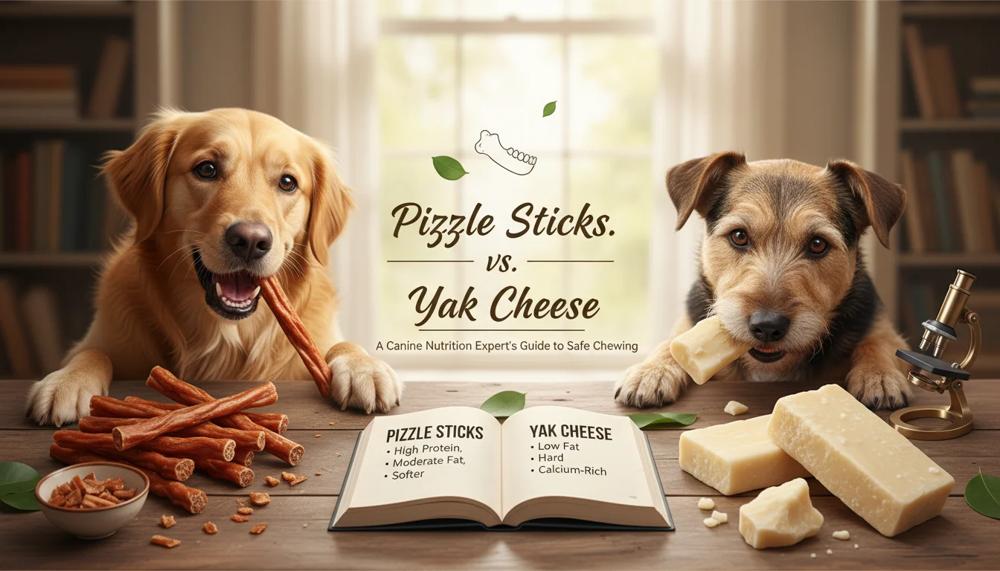
Pizzle Sticks vs. Yak Cheese: A Canine Nutrition Expert’s Guide to Safe Chewing
As a veterinary consultant specializing in canine nutrition, one of the most frequent questions I receive concerns the safety and nutritional value of long-lasting chews. Chewing is a vital, instinctual behavior for dogs—it reduces stress, prevents destructive habits, and promotes dental hygiene.
However, not all chews are created equal. Two of the most popular, durable, and natural options available today are pizzle sticks (commonly known as bully sticks) and yak cheese chews (Himalayan chews). While both offer substantial chewing time, their composition, caloric density, and safety profiles differ significantly. Understanding these differences is crucial for making the healthiest choice for your dog.
Deep Dive: Composition and Nutritional Profile
The fundamental difference between these two treats lies in their source material: one is a pure meat product, the other is a hardened dairy product.
Pizzle Sticks (Bully Sticks): The Protein Powerhouse
Pizzle sticks are 100% natural, single-ingredient chews derived from the dried penis of a bull (steer). They are an excellent source of pure, highly digestible protein.
- Composition: Primarily protein and fat. They contain no artificial additives, colors, or preservatives (when sourced correctly).
- Digestibility: Pizzle sticks are generally highly digestible. They soften as the dog chews, reducing the risk of blockage if smaller pieces are swallowed.
- Caloric Density: This is the primary concern for many owners. Pizzle sticks are calorically dense. A standard 6-inch stick can contain between 50 to 100+ calories, depending on its thickness. For small dogs, this can represent a significant portion of their daily caloric allowance, necessitating strict portion control to prevent weight gain.
- Safety Note (Processing): Due to their raw origin, owners must prioritize products from reputable manufacturers who utilize high-heat cooking or irradiation to mitigate the risk of bacterial contamination (such as Salmonella or E. coli).
Yak Cheese Chews: The Casein Conundrum
Yak cheese chews, often called Himalayan chews, originated as a traditional human snack in Nepal. They are made from a mixture of yak and/or cow milk, processed with lime and a small amount of salt to remove moisture and harden the casein protein.
- Composition: Primarily hardened milk solids (casein), low in fat, and naturally lactose-free (the lactose is removed during the extensive curing process). They are often a good source of calcium.
- Durability: Yak chews are renowned for their extreme hardness and longevity. They can last significantly longer than a comparably sized pizzle stick.
- Digestibility: While digestible, the extreme hardness means they do not soften quickly. They must be chewed down slowly and deliberately. If a dog attempts to swallow a large, sharp shard, it poses a potential risk to the esophagus or stomach lining.
- Key Advantage: When the chew is reduced to a small, final nub, it can typically be microwaved into a puffy, crunchy, and easily digestible "cheese puff," eliminating the choking risk of the final piece.
Durability, Dental Health, and Fracture Risk
When evaluating any hard chew, the primary consideration must be the dog's oral health.
The "Too Hard" Rule and Dental Fracture
The veterinary community often uses the "thumbnail test" to determine chew safety: if you cannot easily indent the chew with your thumbnail, it is likely too hard and poses a risk of dental fracture.
- Pizzle Sticks: While durable, most pizzle sticks eventually soften and are less likely to cause catastrophic dental fractures than extremely hard materials. However, very thick, dense pizzle sticks still carry some risk, particularly for aggressive chewers or dogs with pre-existing dental disease.
- Yak Cheese Chews: Yak chews fall squarely into the category of very hard chews. While their longevity is appealing, their rigidity makes them a significant risk factor for slab fractures (broken molars), especially in strong-jawed breeds (e.g., pit bulls, German shepherds) or dogs known to "power chew." If your dog approaches a yak chew by trying to crush it rather than slowly scraping and softening it, dental damage is a real possibility.
Gastrointestinal Considerations
Both chews present different GI risks:
- Choking/Obstruction: The most common danger for both is when the chew is reduced to a small, swallowable nub. Dogs, particularly those who resource guard or chew quickly, may try to gulp the final piece whole, leading to a choking hazard or gastrointestinal obstruction.
- Caloric Overload (Pizzle): Due to the high-calorie count of pizzle sticks, feeding them daily without adjusting meal portions can quickly lead to weight gain and associated health issues (diabetes, joint strain).
- Gastrointestinal Upset (Both): While both are digestible, introducing large quantities of a new, rich chew too quickly can cause temporary diarrhea or vomiting.
Veterinary Consensus and Essential Safety Protocols
Veterinarians generally approve of both yak cheese and pizzle sticks as superior alternatives to highly processed rawhide or bones that can splinter. However, consensus dictates that safety protocols are non-negotiable.
1. Supervision is Mandatory
Never leave your dog unsupervised with any long-lasting chew. This is the single most important safety rule. When the chew becomes small enough to be swallowed whole (typically 1-2 inches), it must be immediately removed and discarded (or microwaved, in the case of yak cheese).
2. Choose the Right Size
Always select a chew that is appropriately sized for your dog’s weight and chewing style. A chew that is too small for a large dog increases the immediate choking risk.
3. Monitor Water Intake
The act of chewing, especially on dense products like yak cheese, can be dehydrating. Ensure fresh, clean water is always available during and after chewing sessions.
4. Assess Dental Health First
Before introducing extremely hard chews (like yak cheese), schedule a veterinary dental exam. Dogs with existing enamel cracks, loose teeth, or significant plaque buildup should avoid very hard chews entirely.
5. Caloric Tracking
If feeding pizzle sticks regularly, calculate their caloric contribution and subtract that total from your dog’s daily kibble intake to maintain a healthy weight.
Key Takeaways for Dog Owners
| Feature | Pizzle Stick (Bully Stick) | Yak Cheese Chew (Himalayan) | Recommendation | | :--- | :--- | :--- | :--- | | Primary Risk | High calories, potential bacterial contamination (if sourcing is poor). | Dental fracture due to extreme hardness. | Choose based on your dog's chewing style. | | Duration | Moderate to High (density dependent). | Very High (Longest lasting). | Use yak cheese sparingly if your dog is an aggressive crusher. | | Digestibility | Very high; softens as chewed. | High; can pose a sharp edge risk before final nub. | Pizzle is safer for dogs prone to swallowing chunks. | | Weight Impact | High Calorie. Must be portioned. | Moderate Calorie (Lower fat). | Best for dogs needing low-fat, low-lactose options. |
In summary: If your dog is a dedicated, slow "scraper" who gently works on chews, yak cheese can be a fantastic, long-lasting option. If your dog is a quick, aggressive "crusher," or if you are concerned about dental fracture, the softer, highly digestible pizzle stick (fed in moderation due to calories) is the safer choice.