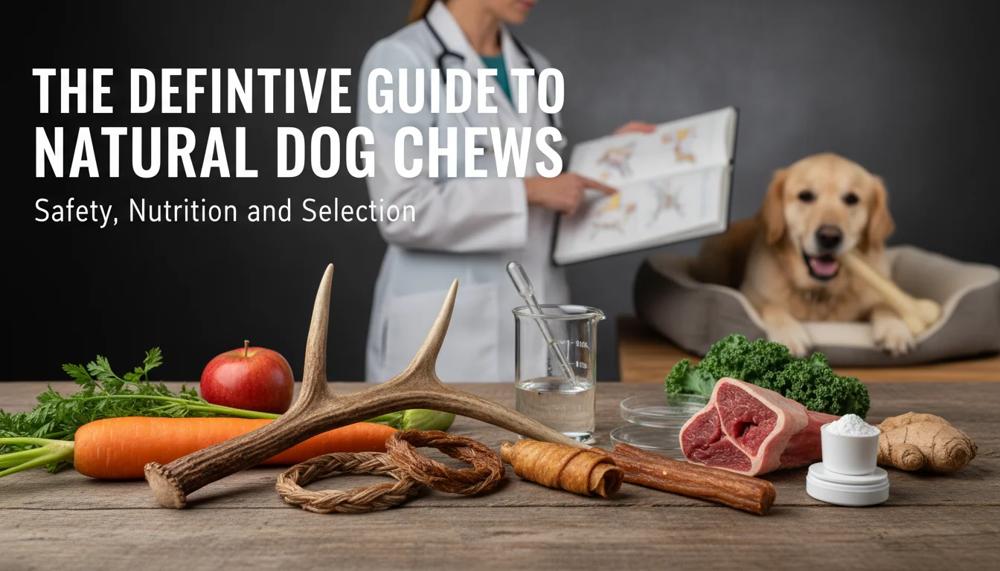
Natural Dog Chews Compared: A Guide to Safety, Nutrition, and Durability
As a canine nutrition expert, I often see pet owners overwhelmed by the sheer variety of chews available on the market today. Chewing is a fundamental, instinctual behavior for dogs; it provides mental stimulation, releases endorphins, and aids in mechanical dental cleaning. However, the shift away from highly processed, chemically-laden "treats" toward natural alternatives has raised new questions about safety, digestibility, and nutritional value.
In this guide, we will compare the most popular natural chews to help you make an informed decision for your dog’s health and happiness.
The Importance of Digestibility
The primary concern for any veterinary professional when recommending a chew is digestibility. If a dog swallows a large piece of a chew that cannot be broken down by stomach acid, it poses a significant risk of gastrointestinal blockage.
Historically, rawhide was the standard, but its poor digestibility and chemical processing have led many owners to seek better options. When evaluating Pizzle vs Rawhide: Which Is Safer?, the consensus is clear: natural, single-ingredient animal tissues offer a much higher safety profile because the body can actually process them as food.
1. Bully Sticks (Pizzle)
Bully sticks, also known as pizzle, are perhaps the most popular natural chew in the industry. But What Is Pizzle? Essentially, it is the dehydrated muscle tissue of a bull. Despite the different names, Are Bully Sticks the Same as Pizzle? Yes, they are identical.
Why They Are Highly Recommended
Bully sticks fall under the category of Single-Ingredient Dog Chews Explained, meaning they lack the artificial binders and preservatives found in dental sticks. From a nutritional standpoint, Are Bully Sticks High in Protein? Absolutely. They are almost entirely protein and contain essential amino acids that support muscle development and skin health.
Furthermore, Is Pizzle Digestible? Unlike rawhide, bully sticks break down completely in the digestive tract. They also offer a safer texture; while some owners worry about sharp fragments, the reality is that Does Pizzle Splinter? No, it softens as the dog chews, turning into a fibrous material that gently scrubs the teeth.
Considerations
- Calories: Because they are pure protein, they are calorie-dense. Owners should consult Calories in Pizzle Chews (By Size) to ensure they aren't overfeeding.
- Odor: Natural bully sticks can have a strong scent. Many owners prefer Odor-Free Bully Sticks: Are They Healthier? These are generally just dried longer to remove moisture-loving bacteria, maintaining their health benefits without the smell.
2. Antlers (Deer and Elk)
Antlers are a "long-burn" chew, often lasting weeks or months. When looking at Pizzle vs Antlers, the trade-off is durability versus dental safety.
- Pros: They are clean, odorless, and extremely long-lasting. They contain minerals like calcium and phosphorus.
- Cons: Antlers are incredibly hard. Veterinary dentists often warn against them for "power chewers" because they can cause slab fractures (broken teeth). If you choose antlers, look for "split" antlers where the marrow is exposed, as these are slightly softer on the teeth.
3. Yak Cheese (Himalayan Chews)
Made from a traditional recipe of yak and cow milk, lime juice, and salt, these chews are smoked and dried into a hard resin. In the debate of Pizzle vs Yak Cheese, yak cheese is often the winner for dogs with sensitive stomachs or those who need a lower-protein option than meat-based chews.
- Pros: Very low odor, highly durable, and gluten-free.
- Cons: They can be very hard. A common safety tip is to microwave the small "end piece" until it puffs up like a cracker, preventing a choking hazard.
4. Tendons and Collagen Chews
For owners focused on joint health, Pizzle vs Tendons and Pizzle vs Collagen Chews are important comparisons. Tendons (usually beef or ostrich) are high in glucosamine and chondroitin. Collagen chews are made from the deep layer of bovine skin (corium) and are a more digestible alternative to rawhide.
- Pros: Excellent for joint support and usually more affordable than bully sticks.
- Cons: They tend to be "quicker" chews. If you have an aggressive chewer, a tendon may only last a few minutes compared to the hours a bully stick might provide.
Safety and Selection: The Veterinary Perspective
When I consult with pet owners, I emphasize that no chew is 100% risk-free. Vet Opinions on Bully Sticks generally favor them as a safe, natural option, provided they are used correctly.
Size Matters
Choosing the wrong size is a common mistake. If a chew is too small, it becomes a swallow hazard. Owners should learn How to Choose the Right Size Pizzle for Your Dog to match the chew to their dog’s jaw strength and size. For instance, Best Bully Sticks for Large / Aggressive Chewers usually involve thicker, braided, or jumbo varieties.
Choking Hazards
The most dangerous moment is when a chew becomes small enough to be swallowed whole. Can Pizzle Cause Choking? Yes, if the "nub" is swallowed prematurely. I always recommend using Best Holders to Prevent Swallowing to secure the end of the chew. If an accident happens, knowing What to Do If Your Dog Swallows a Large Piece is vital—monitor for vomiting, lethargy, or lack of appetite and contact your vet immediately.
Quality Control
Not all natural chews are created equal. I advise looking for Grass-Fed vs Grain-Fed Pizzle to ensure the highest nutrient density and to avoid potential hormones. Learning How to Choose High-Quality Pizzle involves checking for country of origin and ensuring no chemical bleaches were used during processing.
Summary: Key Takeaways for Owners
- Bully Sticks (Pizzle): Best all-around chew for digestibility and protein. High "reward" value for dogs.
- Antlers: Best for longevity, but high risk for dental fractures. Not recommended for aggressive chewers.
- Yak Cheese: A great vegetarian-friendly alternative that is very durable.
- Tendons/Collagen: Excellent for joint health but typically shorter-lasting.
- Supervision is Mandatory: Never leave a dog unattended with any chew. Always provide fresh water, as chewing increases thirst.
- Puppy Safety: Always check Are Pizzle Chews Safe for Puppies? before introducing them to a young dog’s developing digestive system.
- Moderation: Over-chewing can lead to GI upset. Watch for Signs Your Dog Is Chewing Too Much Pizzle and limit intake based on How Many Bully Sticks Can a Dog Have Per Week?.
By selecting high-quality, single-ingredient chews and practicing proper safety protocols, you can satisfy your dog's biological urges while supporting their long-term health.