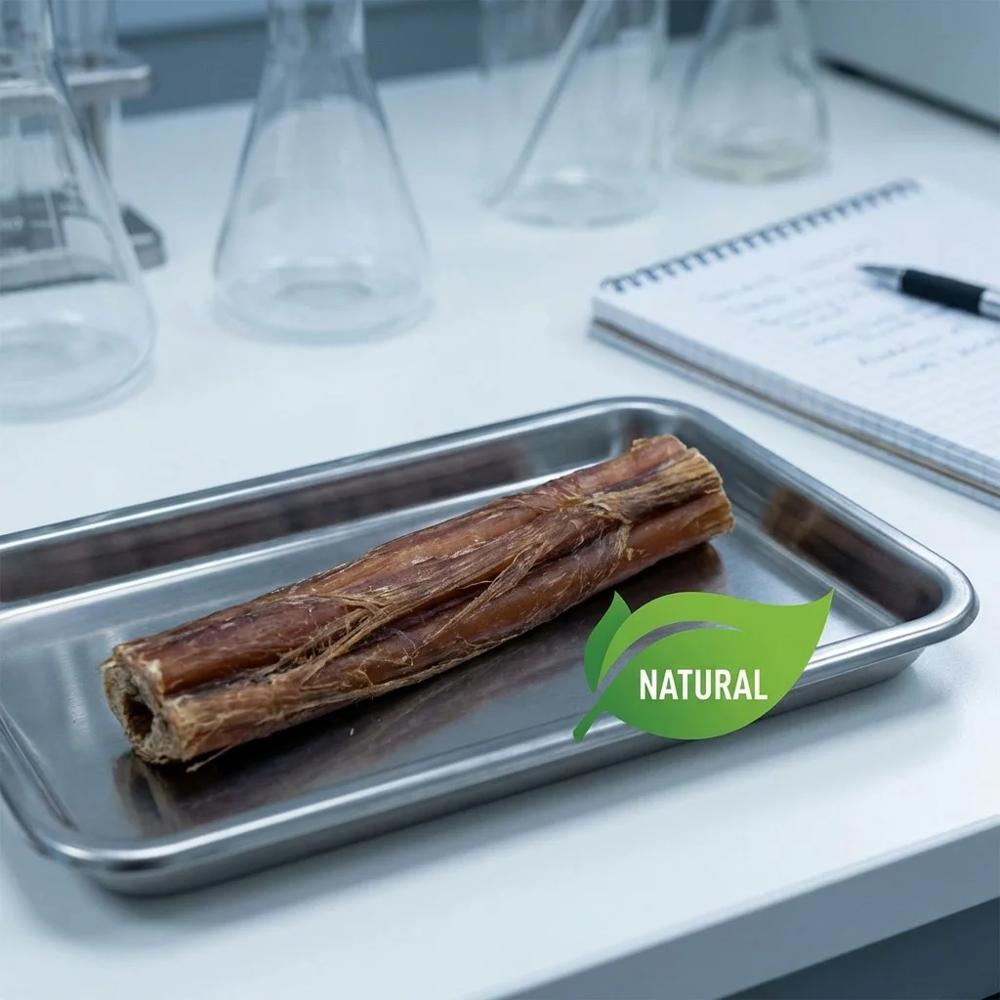
Does Pizzle Contain Hormones or Chemicals? A Deep Dive into Bully Stick Safety
As a dog owner, you are likely constantly bombarded with choices regarding what your pet consumes. Among the most popular natural treats on the market is "pizzle"—a term that often leaves new owners curious once they learn its origin. While many choose this treat for its durability and high protein content, a recurring question in veterinary consultations is: Does pizzle contain hormones or chemicals?
To understand the answer, we must look closely at how these treats are sourced, processed, and regulated. This article provides a comprehensive analysis of the chemical and hormonal profile of pizzle to help you make an informed decision for your canine companion.
What Exactly Is Pizzle?
Before analyzing the molecular makeup, we must define the product. Pizzle is the anatomical term for a bull's penis. In the pet industry, these are most commonly referred to as "bully sticks." If you are unfamiliar with the distinction, you may find it helpful to read What Is Pizzle? (Bull Penis Explained for Dog Owners) or explore Are Bully Sticks the Same as Pizzle? to understand why they are so highly prized in the world of dog chews.
The Question of Hormones: Natural vs. Added
When discussing hormones in animal products, we must distinguish between endogenous hormones (those naturally produced by the animal) and exogenous hormones (those added by humans through farming practices).
1. Naturally Occurring Hormones
Because pizzle is derived from reproductive tissue, it does contain trace amounts of naturally occurring hormones, specifically testosterone. However, for the vast majority of dogs, these levels are negligible. The drying and cooking processes used to create the chew typically degrade many of these biological compounds.
2. Added Growth Hormones
The primary concern for many owners is whether the bulls were treated with synthetic growth hormones to increase meat yield. This is where sourcing becomes critical. In many countries, the use of growth hormones in cattle is a standard practice. If you are concerned about synthetic hormone exposure, you should look for Grass-Fed vs Grain-Fed Pizzle or products specifically labeled as "hormone-free."
Bulls raised on a 100% grass-fed diet are significantly less likely to have been exposed to synthetic hormones or routine antibiotics, making them a "cleaner" choice for sensitive dogs.
The Reality of Chemicals in Processing
In its raw state, pizzle is a biological tissue that requires processing to become a shelf-stable dog chew. The "chemical" profile of the final product depends entirely on How Pizzle Is Made: From Farm to Dog Chew.
High-Quality vs. Low-Quality Processing
High-quality manufacturers utilize a simple process: the tissue is cleaned with water, stretched, and then slow-dried in ovens. This method classifies them as Single-Ingredient Dog Chews Explained, meaning they contain no artificial preservatives, bleaches, or binding agents.
However, low-quality or "bargain" brands may use chemicals to speed up production or mask odors: * Bleach or Chlorine: Used to whiten the stick or kill bacteria quickly. * Formaldehyde: In rare, extreme cases of poor international sourcing, chemicals may be used as preservatives. * Artificial Scents: To mask the natural musk of the product.
To avoid these, it is essential to learn How to Spot Low-Quality or Fake Pizzle. Generally, if a stick is unnaturally white or has a chemical "perfume" smell, it has likely been treated. Interestingly, Odor-Free Bully Sticks: Are They Healthier? are usually achieved through longer drying times rather than chemical intervention, but you should always verify the manufacturer's process.
Veterinary Consensus on Pizzle Safety
From a veterinary perspective, the primary concerns regarding pizzle are rarely about hormones or chemicals in high-quality sticks. Instead, Vet Opinions on Bully Sticks usually focus on three areas:
- Bacterial Contamination: Because these are raw animal products, there is a risk of Salmonella or E. coli if the drying process wasn't sufficient. This is why How to Choose High-Quality Pizzle is so important.
- Caloric Density: Pizzle is incredibly nutrient-dense. Owners often underestimate the Calories in Pizzle Chews (By Size), which can lead to weight gain if not balanced with the dog's daily meal intake.
- Digestibility: Unlike rawhide, which is treated with lime and high-strength chemicals, pizzle is a muscle-like tissue. This makes it much safer for the gut. For a deeper comparison, see Pizzle vs Rawhide: Which Is Safer? and Is Pizzle Digestible?.
Safety Tips for Feeding Pizzle
Regardless of the chemical purity of the chew, safety during consumption is paramount. Even the "cleanest" organic pizzle can pose risks if handled incorrectly.
- Supervision is Mandatory: Never leave your dog unattended with a chew.
- Prevent Choking: As the stick gets smaller, it becomes a swallow hazard. Read Can Pizzle Cause Choking? and consider using Best Holders to Prevent Swallowing.
- Hydration: Because these are dehydrated treats, ensure your dog has plenty of fresh water available.
- Size Matters: Selecting the wrong size can lead to dental fractures or gulping. Refer to How to Choose the Right Size Pizzle for Your Dog for guidance.
- Emergency Preparedness: Know What to Do If Your Dog Swallows a Large Piece to act quickly in a crisis.
Summary: Is It Safe?
When sourced from reputable suppliers, pizzle is one of the cleanest, most natural treats available. While it contains trace natural hormones, it is generally free of harmful chemicals if you avoid low-quality, mass-produced imports.
Key Takeaways:
- Naturally Hormone-Free (Mostly): While trace testosterone exists naturally, added growth hormones can be avoided by choosing Grass-Fed Bully Sticks.
- Chemical-Free Processing: High-quality pizzle is cleaned with water and air-dried. Avoid sticks that look bleached or smell of chemicals.
- Superior to Rawhide: Pizzle does not use the harsh chemicals (like lye) found in rawhide production.
- Nutrient Dense: It is a high-protein treat, but watch the calories. See Are Bully Sticks High in Protein? for more on the nutritional profile.
- Safety First: Always use a holder and supervise your dog to prevent accidents.
By prioritizing quality and sourcing, you can provide your dog with a treat that satisfies their natural urge to chew without exposing them to unnecessary chemicals or synthetic hormones. For those with young dogs, always check if Are Pizzle Chews Safe for Puppies? before introducing them to their diet.